Slow Pots & Bold Frocks: Why Britain's Indie Tea Rooms Are the New Creative Salons
Slow Pots & Bold Frocks: Why Britain's Indie Tea Rooms Are the New Creative Salons
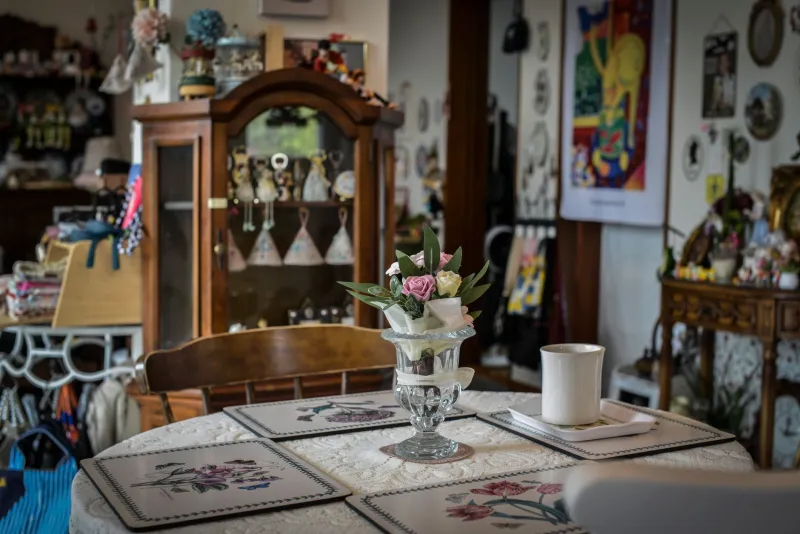
There's a particular quality of light inside a good independent tea room. It arrives through net curtains, diffused and a little golden, landing on mismatched bone china and hand-lettered chalkboard menus as if the whole scene has been art-directed by someone with exceptional taste and absolutely no budget. It is, without question, one of the most quietly inspiring environments in Britain — and a growing number of designers, makers, and curious dressers are starting to treat it that way.
The tea room as creative hub isn't a new idea exactly. Historically, the salon tradition — women gathering in domestic spaces to exchange ideas that the formal world wouldn't accommodate — was always about finding the right room. And right now, across Scotland's harbour towns, Welsh market villages, and the tucked-away side streets of English market towns, the indie tea room is quietly reclaiming that role.
The Room Itself as Mood Board
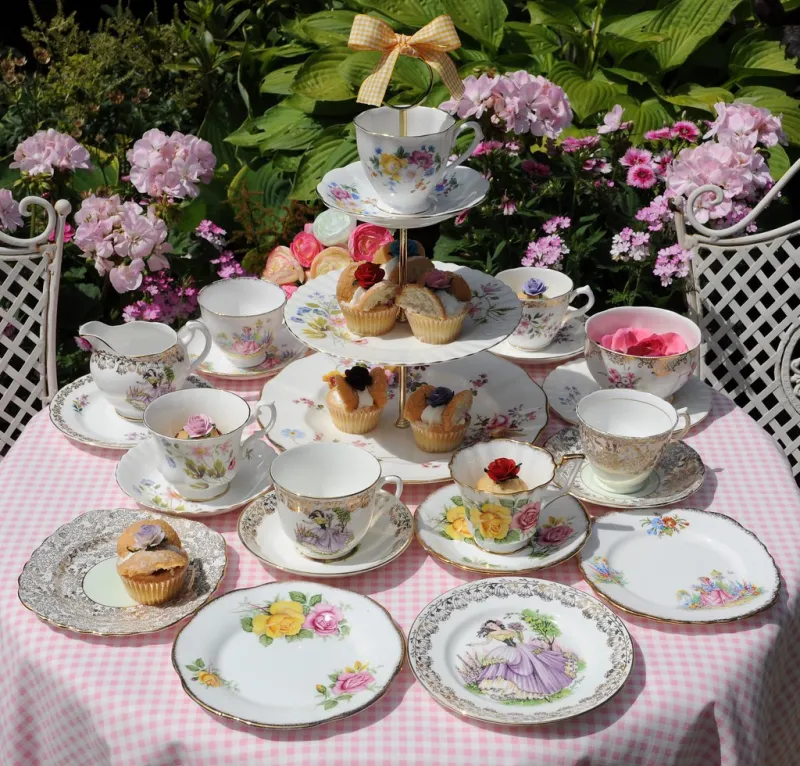
Walk into The Willow Nook in Hay-on-Wye on a Tuesday afternoon and you'll find the usual suspects: walkers in muddy boots, secondhand book buyers with carrier bags threatening to split, a couple of people writing in journals. But look more carefully and you'll also spot Mara, a textile designer from Hereford, photographing the crockery. Not the food — the crockery. The way a faded rose transfers on a cracked teacup sits next to a newer plate printed with a bolder peony. The accidental curation of it.
"I've taken more useful reference photos in tea rooms than I have in any museum," she says, without embarrassment. "There's something about the domestic scale of it — nothing is trying to be impressive. It's just genuinely, accidentally beautiful."
This is the thing about the best indie tea rooms: they are assemblages of personal taste accumulated over decades, not designed by committee. The faded floral wallpaper wasn't chosen for its Instagrammability; it's simply what was on the wall in 1987 and has never quite been replaced. The result is an aesthetic that feels genuinely lived-in, layered, and — increasingly — like exactly the kind of visual language that a certain strain of British fashion is reaching for.
Where Ideas Actually Happen
In Anstruther on the Fife coast, a small clutch of independent designers have started meeting fortnightly at a tea room above a fishing tackle shop. The gathering began informally — two friends who happened to be regulars — and has grown into something that one participant, knitwear designer Fiona, describes as "the most useful two hours of my creative week."
"It's the slowness of it," she explains. "You can't scroll while you're pouring tea. You can't really multitask. You end up actually talking about things — what you're making, what you're struggling with, what you saw on the bus that morning that you can't stop thinking about."
This is a feeling echoed by regulars at tea rooms from Totnes to Tobermory. The analogue environment — no wifi worth speaking of, tables too small for laptops, the gentle obligation of a second pot — creates a kind of enforced presence that feels increasingly radical. In a creative culture saturated with mood board apps and algorithm-curated inspiration, sitting with a piece of Victoria sponge and actually looking at the room around you turns out to be quietly revolutionary.
Dressing for the Occasion (Which Is Every Occasion)
There's another thing happening in these rooms, and it's more directly visible: people are dressed brilliantly in them. Not in a performative, look-at-me way — more in the manner of someone who has simply decided that a Tuesday afternoon pot of Earl Grey is worth wearing something wonderful for.
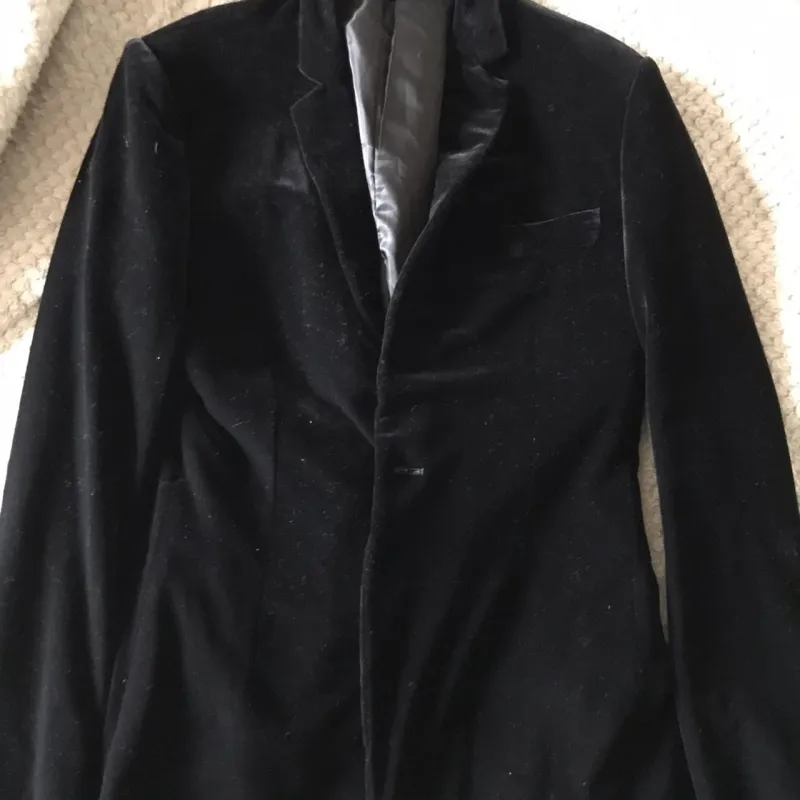
Ruth, who runs a small vintage and handmade clothing stall at Ludlow market and is a devoted regular at a tea room on the town's castle square, puts it plainly: "Tea rooms give you permission. It doesn't feel odd to wear a broderie anglaise blouse or a velvet skirt in a room that already has lace tablecloths and hand-painted sugar bowls. The environment holds you."
This idea — that certain spaces give us permission to dress in ways we might otherwise second-guess — feels important. The tea room, with its unabashedly domestic, feminised, unhurried aesthetic, creates a context in which whimsy, layering, and personal expression feel entirely appropriate. Not costume, not cosplay — just dressing with intention in a room that rewards it.
The Designers Taking Notes
Several small British labels are now explicitly drawing on this visual world. Embroidered collars that echo the pattern of a willow-pattern plate. Silk blouses printed with the blowsy, slightly overblown florals of a tea room wallpaper. Knitwear in the specific dusty pinks and sage greens of vintage Wedgwood. The references are affectionate rather than literal — a sensibility absorbed through hours of sitting still in beautiful, slightly crumbling rooms.
Corinne, who designs a small run of printed cotton dresses from her studio in Hebden Bridge, credits a particular tea room in the Calder Valley with what she calls "my entire colour education." "The owner has been collecting mismatched china for thirty years," she says. "Every combination of glaze colour and transfer print on that dresser is perfect. I've based at least three collections on the palette of that room."
Finding Your Own Salon
If you've not yet discovered the creative possibilities of a good independent tea room, the prescription is simple: find one with mismatched crockery, a hand-written menu, and absolutely no loyalty card scheme. Order the pot for two even if you're alone. Bring a sketchbook, or a friend, or both. Wear something you love.
The conversation that follows — whether with a companion, with the room itself, or simply with your own unhurried thoughts — might just be the most genuinely inspiring thing you do this week. The teacup philosophers of Britain have known this for years. The rest of us are only just catching up.