Secret Circles & Sacred Swaps: The Beautiful Ritual of Britain's Hidden Fashion Exchange
The Whispered Invitations
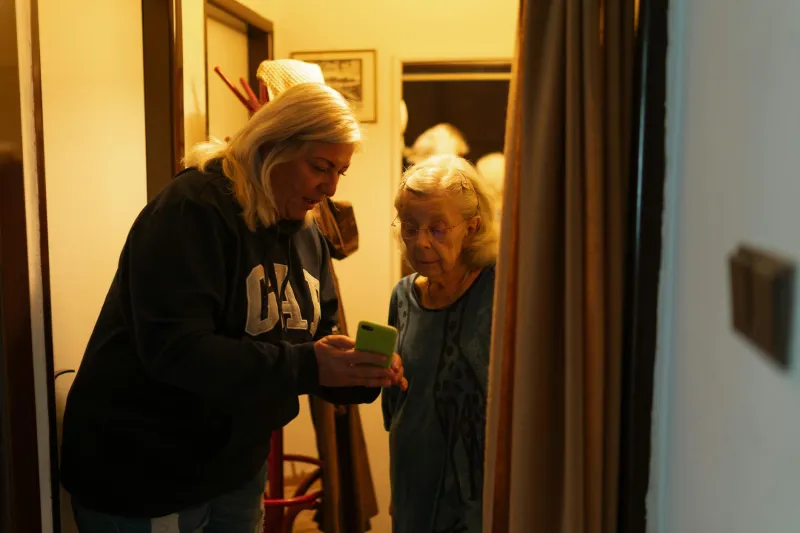
Somewhere in a converted barn outside Bath, thirty strangers are performing what might be the most radical act in modern fashion: giving away their favourite things. The invitation arrived through whispered recommendations and carefully shared Instagram stories—no algorithms, no advertising, just the gentle pull of community calling to community.
This is Britain's secret swap economy, and it's happening in village halls from the Highlands to Cornwall, in pub back rooms and community gardens, wherever people gather to practice the lost art of letting go.
More Than Clothes, We're Trading Stories
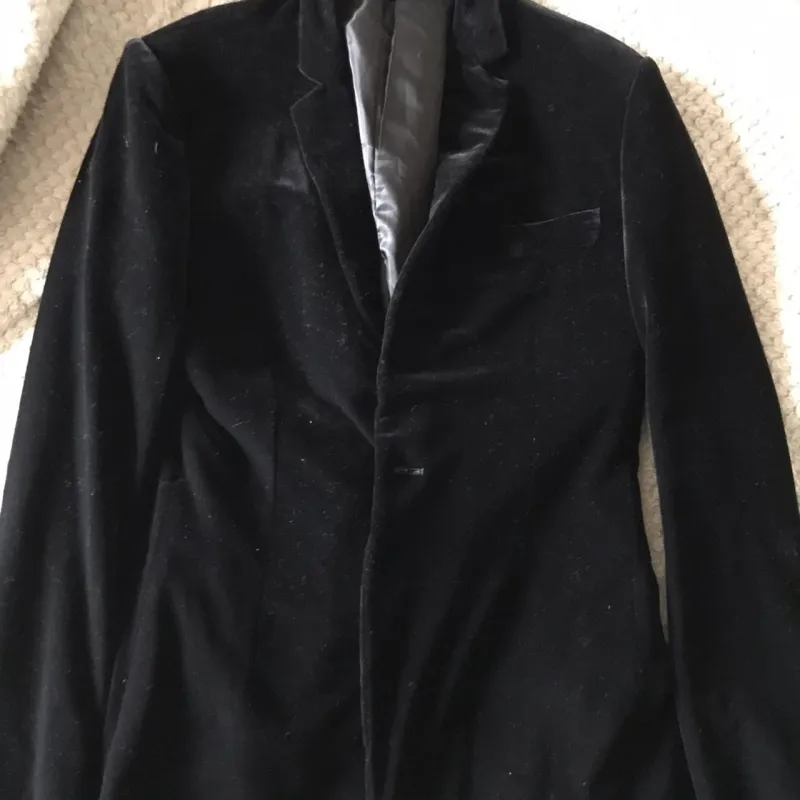
Watch Sarah from Brighton as she unfolds a midnight blue vintage coat, running her fingers along its worn velvet collar. "I wore this to my first job interview," she tells a stranger who's admiring the cut. "It gave me confidence when I had none." The stranger—a teacher from nearby Hove—listens with the reverence of someone receiving not just clothing, but a piece of someone's history.
This is what makes these gatherings feel like sacred ritual rather than simple transaction. Each piece arrives with its story intact, and finding the right new custodian becomes an act of matchmaking between person and past.
"We're not just swapping clothes," explains Emma, who organises monthly exchanges in a Sheffield community centre. "We're passing on the emotional labour that goes into loving something, caring for it, and then trusting someone else to continue that relationship."
The Geography of Generosity
These events flourish in the most unexpected corners of Britain. In the Lake District, they happen in National Trust properties after closing time. In East London, they've colonised the upstairs rooms of independent bookshops. In Edinburgh, there's a monthly swap that moves location like an underground supper club, participants texting coordinates to verified members.
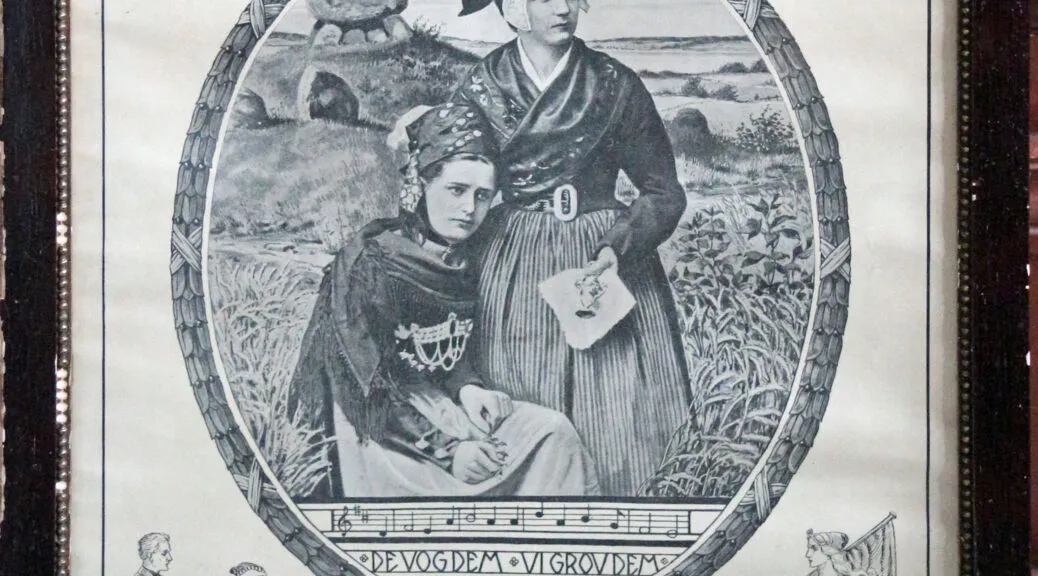 Photo: Lake District, via denstorekrig1914-1918.dk
The beauty lies in their deliberate smallness. Unlike the overwhelming chaos of vintage fairs or the competitive edge of sample sales, these gatherings maintain an almost meditative quality. Numbers are kept deliberately low—rarely more than forty people—creating space for the kind of conversations that happen when strangers discover they're both wearing jumpers knitted by someone's grandmother.
Rules of Engagement
Every circle develops its own gentle protocols. Some operate on pure gift economy principles—bring what you can, take what calls to you. Others use token systems, ensuring everyone leaves with roughly what they contributed. The most successful events seem to be those that blur these boundaries, where the act of giving becomes more important than the arithmetic of receiving.
At a recent gathering in a Cotswolds church hall, organiser Jane explains their approach: "We ask people to bring pieces they've loved but outgrown—either physically or emotionally. The only rule is that everything must come with a story, even if it's just 'this made me feel brave' or 'I bought this on the happiest day of my life.'"
The Radical Act of Letting Go
What emerges from these exchanges isn't just a more sustainable approach to fashion, but a fundamental challenge to how we understand ownership and value. In a culture obsessed with accumulation, these gatherings celebrate the opposite: the courage to release, the wisdom of enough, the joy found in watching something you've loved find new life with someone who needs it.
Participants often describe a particular moment of recognition—seeing a piece they've donated being worn with obvious delight by its new owner. "It's like watching your child make a new friend," laughs Priya, a regular at Manchester's monthly swaps. "You realise that letting go doesn't mean losing; sometimes it means multiplying joy."
Building Community, One Exchange at a Time
Perhaps the most beautiful aspect of these gatherings is how they create connection in an increasingly disconnected world. Regular participants speak of friendships formed over shared appreciation for a particular designer, or bonds created through the simple act of helping someone find the perfect fit.
"I've made some of my closest friends through these swaps," admits Rachel, who travels from London to attend events across the South East. "There's something about the vulnerability of sharing your clothes—and their stories—that breaks down barriers faster than any other social situation I've experienced."
The Future of Fashion Exchange
As these networks grow and evolve, they're quietly rewriting the rules of fashion consumption. Participants report buying significantly less new clothing, not from deprivation but from abundance—the abundance that comes from access to a constantly refreshing communal wardrobe.
The movement shows no signs of slowing. WhatsApp groups buzz with location updates and special themed events—vintage swaps, size-inclusive exchanges, swaps specifically for workwear or evening pieces. Each gathering reinforces the radical notion that the most beautiful fashion story isn't about what you own, but what you're willing to share.
In a world increasingly dominated by fast fashion and digital consumption, these secret circles represent something revolutionary: the return to fashion as community, as story, as the beautiful act of caring for each other through the simple ritual of shared clothing. They remind us that the most gorgeous thing about any garment isn't how it looks, but how it connects us to each other.