Paper Rebels: The Underground Zine Revolution Turning Everyday Britain Into Art Galleries
The Quiet Revolution in Your Local Laundrette
There's something magical happening in the most mundane corners of Britain. While you're waiting for your spin cycle to finish or flicking through last month's Good Housekeeping at the GP, a quiet revolution is unfolding around you. Tucked between community notices and takeaway menus, handmade zines are transforming forgotten public spaces into intimate galleries of illustrated wonder.
These aren't your typical glossy magazines. Created by artists, dreamers, and fashion illustrators across the UK, these photocopied publications blend personal narrative with surreal imagery, turning waiting rooms into unexpected portals of creativity.
Where Fashion Meets Folk Art
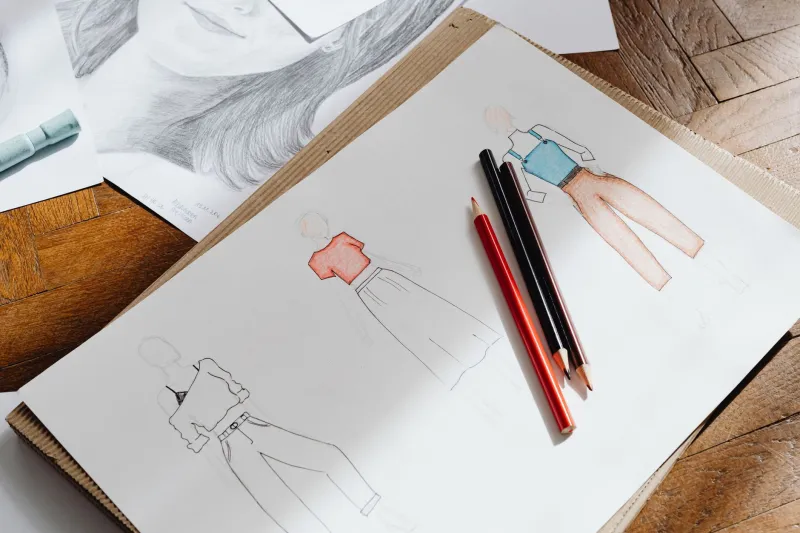
Take Mia Chen, who operates from a cramped studio flat in Bristol. Her zine Threadbare Dreams appears monthly in three local laundrettes, featuring watercolour fashion sketches alongside handwritten diary entries about finding beauty in charity shop finds. "I started leaving copies because I was spending so much time in these places anyway," she explains. "Why not make the wait more beautiful?"
The aesthetic is distinctly British in its gentle subversion – part Blue Peter craft project, part underground art movement. These creators aren't trying to compete with mainstream fashion media; they're building something entirely different. Their illustrations might show vintage coats floating through rainy Manchester streets, or document the exact shade of lipstick worn by the woman on the 47 bus.
The Hyper-Local Gallery Network
What's fascinating is how hyperlocal this movement has become. In Edinburgh, Tom Fitzgerald's Closes & Clothes only appears in Old Town waiting rooms, featuring sketches of fashion spotted in the city's narrow alleyways. Down in Cornwall, Sarah Williams documents the changing wardrobes of her seaside village through seasonal zines left in the post office and village hall.
"It's about creating beauty where you least expect it," says Dr. Emma Patterson, who studies grassroots publishing at the University of Leeds. "These artists are reclaiming public space not through grand gestures, but through gentle infiltration."
Beyond the Digital Scroll
In our Instagram-saturated world, there's something revolutionary about the tactile nature of these publications. The slightly wonky photocopying, the hand-folded pages, the way someone's coffee ring becomes part of the reading experience – it's all intentional. These zines demand to be held, touched, passed along.
Many creators report that their followers – for want of a better word – actively seek out new locations where the zines might appear. It's created an alternative cultural map of Britain, where the most interesting fashion commentary might be found in a community centre in Wolverhampton or a dental surgery in Inverness.
The Economics of Wonder
Most of these zines are distributed freely, funded by the creators' day jobs or small donations from devoted readers. It's anti-commercial by design, existing purely for the joy of making and sharing. "The moment money becomes the driving force, the magic dies," explains Manchester-based creator Alex Thompson, whose Piccadilly Portraits has been brightening city centre waiting rooms for two years.
This gift economy approach has created something precious: art for art's sake, fashion illustration freed from commercial constraints, personal storytelling that doesn't need to generate clicks or likes.
Building Community Through Paper
Perhaps most remarkably, these zines are creating genuine communities. Readers leave notes for creators, who respond in future issues. Stories emerge of people changing their regular routes to check for new publications, or scheduling appointments at certain GP surgeries known for their excellent zine selections.
It's a reminder that in our increasingly digital world, there's still profound power in physical objects left in shared spaces. These humble publications are proving that art doesn't need grand galleries or massive budgets – sometimes it just needs someone brave enough to leave their creativity where others might stumble upon it.
The next time you're stuck in a waiting room, look beyond the dated magazines. You might just discover Britain's most charming secret gallery, one photocopied page at a time.