Wardrobe Archaeology: The New Generation Discovering Fashion History in Nan's Attic
The Art of Fashion Inheritance
There's something magical about slipping into a dress that once swirled around your grandmother's ankles at a 1950s dance hall, or fastening a brooch that caught the light at your great-aunt's wedding. Across Britain, a quiet revolution is happening in bedroom wardrobes and family attics – one that's seeing Gen Z and millennials become the most dedicated fashion archaeologists of our time.
"I found this incredible 1970s crochet waistcoat buried under Christmas decorations," says Maya Patel, 24, from Birmingham, pulling the butter-yellow piece from her wardrobe. "Mum said it belonged to my nan, who made it herself. When I wear it, I feel like I'm carrying a piece of her creativity with me."
This isn't just nostalgia – it's a fundamental shift in how young people think about clothes. Where previous generations might have seen inherited garments as outdated hand-me-downs, today's fashion enthusiasts are recognising them as precious archives of personal style.
Stories Stitched in Seams
The emotional weight of inherited fashion runs deeper than any high street purchase could ever reach. Take Rosie Chen, 26, from Manchester, who discovered a collection of 1960s shift dresses in her late grandmother's wardrobe. "Each one had a story," she explains. "The navy one with pearl buttons was her 'going to church' dress. The paisley print was what she wore on dates with my grandad. When I wear them, it's like having a conversation across generations."
Fashion psychologist Dr Sarah Williams explains this phenomenon: "Inherited clothing carries what we call 'emotional provenance' – it's not just fabric and thread, but memories, values, and identity passed down through families. When young people choose these pieces over fast fashion, they're choosing connection over consumption."
The Treasure Hunt Begins
The process of wardrobe archaeology often starts innocently enough. A family clear-out, a move to a smaller home, or simply curiosity about what's been stored away for decades. But what emerges can be extraordinary.
"I was helping my gran sort through her things when I found this amazing 1940s utility dress," recalls James Morrison, 23, from Edinburgh. "It still had the original belt and everything. She told me she'd worn it to her first job interview after the war. Now I wear it to important meetings – it feels like carrying her strength with me."
The practical benefits are undeniable too. In an era of rising living costs and growing environmental consciousness, inherited fashion offers both financial relief and sustainable style. "Why spend £80 on a new blazer when there's a perfectly good vintage one in the family?" asks Lucy Thompson, 25, from Brighton, who's built an entire work wardrobe from her mother's and grandmother's clothes.
Beyond the Obvious Treasures
While statement pieces like evening gowns and fur coats (ethically complicated though they may be) often grab attention, it's frequently the everyday items that prove most precious. A silk scarf worn to work every Friday. A charm bracelet collected over decades. A knitted cardigan that survived countless family holidays.
"I inherited my great-aunt's collection of brooches," says Amira Hassan, 22, from London. "She had one for every occasion – a little bee for spring, a snowflake for winter, a horseshoe for luck. I've started wearing them on everything from denim jackets to formal dresses. It's like having her sense of whimsy with me wherever I go."
The Alteration Generation
Of course, not everything fits perfectly across generations. But rather than seeing this as a barrier, young inheritors are embracing alteration as part of the creative process. Tailors across the country report an increase in customers bringing in inherited pieces for modern updates.
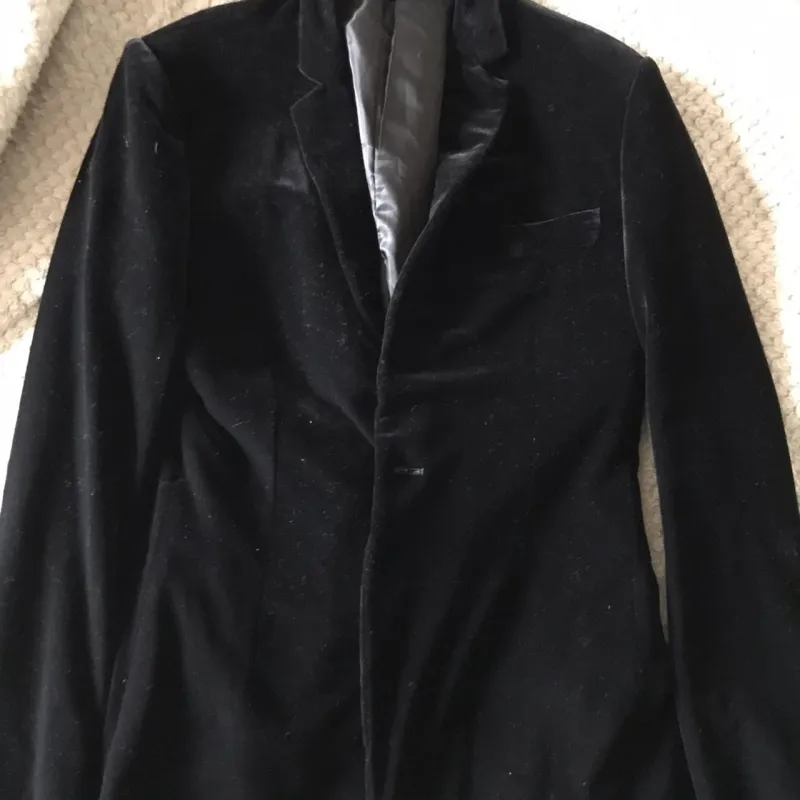
"I take in so many vintage family pieces now," says Maria Santos, who runs a small alterations shop in Cardiff. "A 1980s power suit becomes a cropped blazer and high-waisted trousers. A 1960s maxi dress gets shortened to midi length. These young people understand that adaptation isn't destruction – it's evolution."
Creating New Traditions
Perhaps most beautifully, this trend is creating new family traditions. Many young people are now actively asking relatives about their clothing histories, creating informal archives of family fashion.
"I've started photographing all my inherited pieces and writing down the stories my mum tells me about them," explains Sophie Williams, 24, from Newcastle. "I want to pass these stories on too, not just the clothes."
The Future of Fashion Memory
As this generation grows older, they're already thinking about what they'll leave behind. The fast fashion pieces that dominated their teens are being replaced by carefully chosen items they hope will one day tell their own stories.
"I think about my future granddaughter finding my clothes one day," muses Maya. "I want them to discover pieces that meant something, that were chosen with love, not just bought on impulse."
In a world of endless consumption, these young wardrobe archaeologists are proving that sometimes the most fashionable thing you can wear is a piece of your own history. After all, the best accessories aren't just beautiful – they're meaningful.