Walking Into the Story: The Literary Ramblers Who Dress for the Novels Beneath Their Feet
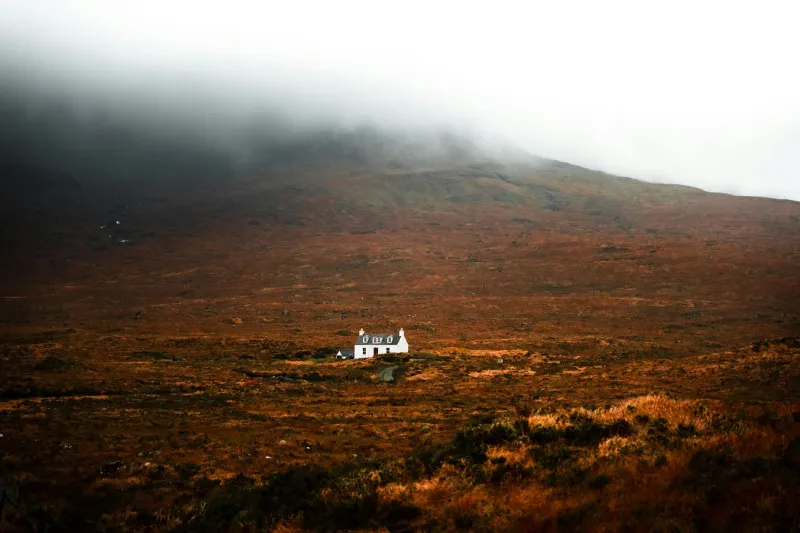
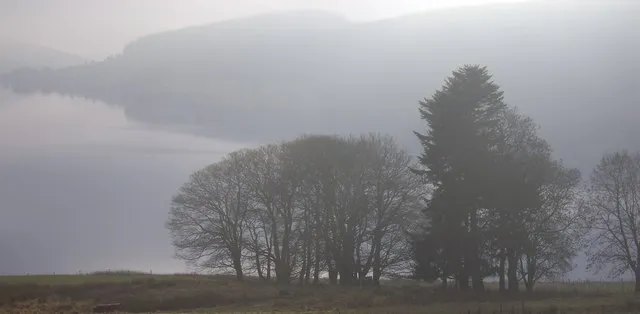
There is a particular kind of morning in the Yorkshire Dales — the sort where the fog sits so low and so heavy that the dry-stone walls seem to dissolve into nothing, and the whole moorland feels less like a place than a feeling. On mornings like these, a small group of women gather at a car park outside Haworth, wearing ink-dark wool coats, mud-ready boots, and the particular expression of people who have been waiting for exactly this weather.
 Photo: Yorkshire Dales, via img.freepik.com
They are not here for fitness. They are here for Wuthering Heights.
Reading the Landscape Like a Wardrobe
The Haworth group — who call themselves the Moor Readers — are part of a quietly growing movement across Britain that blends literary devotion with something that looks, from the outside, a lot like cosplay, but feels, from the inside, entirely different. These are not people dressing as characters. They are dressing for characters. For the atmosphere of a novel. For the emotional weather of a book they love so deeply they want to wear it.
"It started as a joke, honestly," says Priya, one of the group's founders, pulling her charcoal-grey cape tighter as the wind picks up. "Someone said we should dress appropriately for Brontë country and we all turned up in black and we just — never stopped."
The distinction matters. No one is wearing a Victorian corset or carrying a candle. What they are wearing is considered, layered, and deeply intentional — long skirts with practical hems, muted palettes pulled from the novel's own emotional register, scarves in the colours of heather and peat and winter sky. It is, in its own way, the most sophisticated kind of dressing: clothing chosen not for trend or occasion, but for story.
Ink-Dark Palettes and Fog-Appropriate Layers
In Dorset, a different group walks the chalk paths and ancient tracks that Thomas Hardy spent a lifetime mapping in prose. The Hardy Wanderers meet monthly, their outfits shifting with the season and the text — Far From the Madding Crowd brings warm terracotta and harvest gold; The Return of the Native demands something altogether more sombre. Coordinator and retired English teacher Maggie describes the process as "reading with your whole body."
"When you stand on Egdon Heath in November, in the right coat, with the right book in your pocket, something clicks," she says. "The novel stops being something you read in a chair and becomes something you inhabit. The clothes are part of that crossing-over."
 Photo: Egdon Heath, via www.bestcoloringpagesforkids.com
For many in these groups, the wardrobe becomes a research project as much as a creative one. Members discuss fabrics, textures, and tones in their group chats with the same intensity they bring to plot analysis. There are long threads about the precise shade of grey that suits a Daphne du Maurier coastal walk ("not silver, never silver — more like wet slate"), and detailed debates about whether oilskin jackets are too practical for a Dickensian city ramble through East London.
The Style That Lives Between the Pages
What makes this movement so interesting, from a fashion perspective, is how genuinely original the results are. These are not people reproducing period dress or following a Pinterest board. They are using fiction as a moodboard — pulling colour, texture, and feeling from novels the way a designer might pull from a painting or a film.
Stylist and book obsessive Clara, who has walked with literary groups from the Lake District to the South Downs, sees clear parallels with how the most interesting dressers have always worked. "Great personal style has always been about having a reference point that isn't just 'what's in shops right now,'" she says. "For some people it's music, or art, or a particular decade. For these walkers, it's fiction. And fiction is such a rich place to pull from because it's already doing emotional work — it already means something."
The colour palettes that emerge are particularly striking. Literary walkers tend to gravitate toward what you might call narrative hues — the faded, complex, layered tones that feel like they have a history. Dusty purples. Mossy greens. The particular brownish-black of old ink. Colours that look like they could belong to a chapter heading.
Community as Plot
There is something else happening in these groups, beyond the outfits and the landscape and the literary devotion — something that feels quietly radical. In an era when so much of fashion is solitary (the solo scroll, the individual haul, the personal brand), these walking communities are building something collective. They are dressing together, for a shared imaginative world, and the social dimension of that is not nothing.
"We've got members who joined because they loved Hardy and stayed because they found their people," says Maggie. "There's something about turning up in clothes that say 'I care about this, I thought about this' — it creates an instant understanding between people."
The walks themselves become a kind of performance — not theatrical, but present. Walkers read passages aloud at significant spots. They stop where a scene unfolded. They notice, perhaps for the first time, how accurately a novelist described the particular quality of light on a particular hillside at a particular hour.
Dressing for the Story, Not the Season
What the literary walking movement offers, ultimately, is a genuinely different framework for thinking about what you wear and why. In a fashion landscape saturated with micro-trends and algorithmic dressing, there is something deeply refreshing about a group of people who choose their coats based on the emotional register of a nineteenth-century novel.
It is also, in its own way, very Gorjuss — whimsical, curious, and entirely unbothered by what anyone else thinks is fashionable. The moors don't care about trends. Neither do the readers walking them.
The Moor Readers are heading back to their cars as the fog thickens. Someone mentions a new walk they're planning — along the Lancashire coast, for a joint reading of Villette and The Tenant of Wildfell Hall. The discussion about what to wear is already beginning.
"Something the colour of the sea in winter," someone suggests.
Everyone agrees immediately.