Stitch by Stitch, Word by Word: The Embroiderers Stitching Protest Into Every Thread
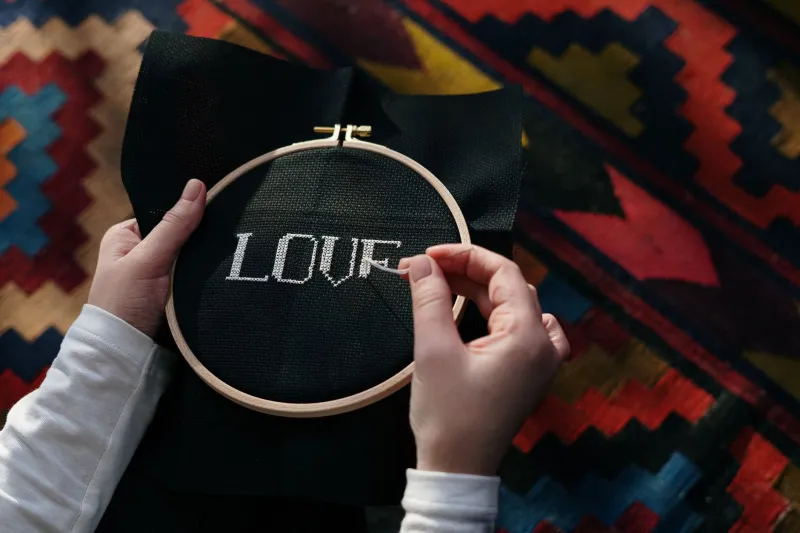
There is something deeply subversive about a protest that unfolds one tiny loop at a time. While embroidery has long carried the weight of domesticity — samplers on parlour walls, handkerchiefs pressed into trouser pockets — the contemporary textile artists reshaping this tradition are doing something altogether different. They are stitching arguments. Asking questions. Refusing to be quiet.
And they are doing it beautifully.
The Hoop as Megaphone
For Sheffield-based artist Mara Hendricks, the embroidery hoop is not a craft accessory. It is, she insists, a megaphone. Her large-scale pieces — some spanning nearly a metre across — combine traditional cross-stitch patterns with fragments of parliamentary speeches, welfare statistics, and testimonies from people navigating the UK benefits system. The effect is jarring in the most purposeful way: floral borders surrounding hard numbers, pastel threads spelling out devastating truths.
"People approach the work expecting something gentle," she explains. "They lean in because it looks decorative. And then they actually read it. That moment of realisation — that's the conversation I want to have."
This strategy of luring viewers in through beauty before delivering something more demanding is a thread running through much of Britain's activist textile scene. It is, at its core, a deeply Gorjuss instinct: the whimsical as a vehicle for the weighty.
Identity, Unpicked and Restitched
In Bristol, a collective called Loose Threads has been meeting weekly for three years, creating collaborative embroideries that explore identity across race, gender, and class. Each piece is made by multiple hands — sometimes a dozen contributors — with no single artist claiming authorship. The resulting work is gloriously inconsistent, stitching styles clashing and harmonising in equal measure.
Collective member Priya Anand describes the process as inherently political. "When you make something by committee, you have to negotiate. You have to listen. You have to let go of your own vision for the sake of something shared. That's not just craft — that's a way of being in the world."
Their most recent exhibition, held in a repurposed Easton warehouse, featured a series of embroidered portraits of women whose stories are rarely told in mainstream cultural spaces — migrants, carers, cleaners. Each portrait was stitched using thread dyed with natural pigments sourced from the subject's own community: turmeric, indigo, weld. The colours themselves became part of the narrative.
Climate, Grief, and the Long Stitch
Not all the conversations being stitched are about human systems. Up in the Scottish Highlands, textile artist Finn McAllister has spent the past two years creating a single, ongoing embroidery he calls The Inventory — a painstaking record of species, habitats, and landscapes lost to climate change. Each entry is stitched in a different technique: satin stitch for something gone forever, running stitch for something still hanging on.
"I needed a practice that matched the scale of the grief," he says, sitting beside a window overlooking moorland. "Embroidery is slow. Climate loss is slow. It felt honest."
The work, which now stretches across several metres of linen, has been exhibited in fragments at galleries in Inverness and Edinburgh. Visitors are invited to add their own stitched entries — a species they remember, a place they love, a fear they carry. The piece grows with every showing.
The Meditative and the Militant
One of the most interesting tensions in this movement is the relationship between the calming, repetitive nature of needlework and the urgency of its content. Many of the artists we spoke to described stitching as a form of emotional regulation — a way of sitting with difficult material long enough to transform it into something communicable.
London-based maker Jas Okafor, whose embroideries address anti-Black racism in British institutions, puts it plainly: "I can't shout about this stuff every day. I'd burn out. But I can stitch about it. I can sit with the anger and the sadness and the hope and put it somewhere outside of myself. The hoop holds it for me."
This is perhaps what distinguishes embroidery as a political medium from, say, a placard or a pamphlet. The making itself is part of the message. The time it takes — the hours and hours of focused, repetitive labour — mirrors the slow, grinding nature of the systems being critiqued. There is no shortcut. Every stitch counts.
Wearing the Work
Increasingly, this activist embroidery is moving off gallery walls and onto bodies. Wearable pieces — jackets, bags, shirts adorned with stitched slogans, data visualisations, and subverted folk motifs — are appearing at protests, on social media, and in independent fashion spaces across the UK.
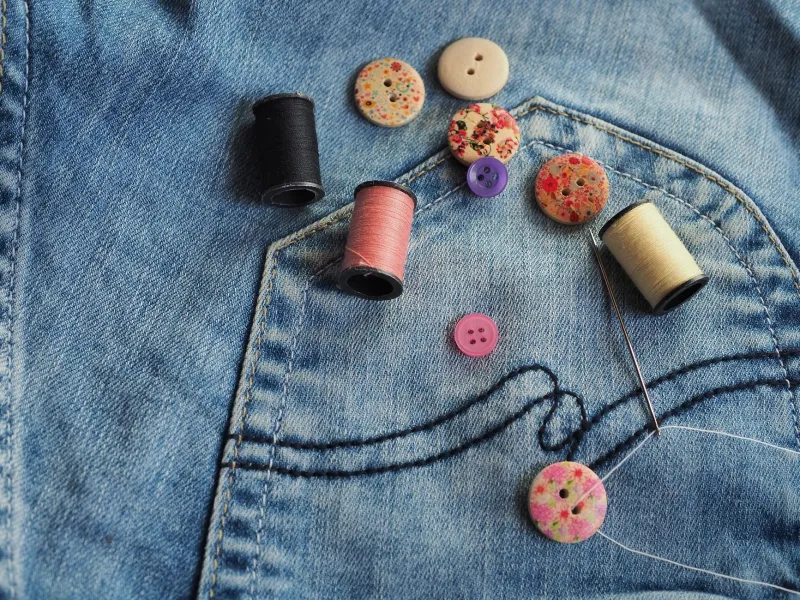
The appeal is obvious: clothing is the most public canvas available to most people. A stitched slogan on the back of a denim jacket reaches every person you pass on the street. It invites questions, starts conversations, and carries the additional weight of having been made by hand — of representing hours of someone's time and intention.
Several of the artists we spoke to have begun running workshops teaching others to stitch their own wearable statements. The response, they report, has been extraordinary. People who have never held a needle are queuing up to learn, drawn not by nostalgia but by the desire to say something — and to say it beautifully.
The Revolution Will Be Embroidered
Britain has a long history of women using textile craft as a vehicle for political expression — from the suffragettes' carefully colour-coded banners to the Greenham Common women's fence decorations. What feels genuinely new about this current moment is its breadth: these artists span generations, backgrounds, and causes, and they are claiming embroidery not as a feminine tradition to be reclaimed but as a human tradition to be expanded.
The needle, it turns out, is mightier than it looks. And in the hands of Britain's most radical stitchers, it is only just getting started.