Salt Air & Silk Scarves: How Britain's Seaside Towns Became the Unexpected Epicentres of Creative Cool
The Great Creative Migration
Something extraordinary is happening along Britain's coastline. While London's fashion scene battles soaring rents and creative burnout, a new generation of designers, illustrators, and makers are packing their studios into removal vans and heading for the sea. From the cobbled streets of St Ives to the Gothic romanticism of Whitby, coastal towns are experiencing an unexpected renaissance – one measured not in tourist footfall, but in the rustle of pattern paper and the hum of sewing machines.
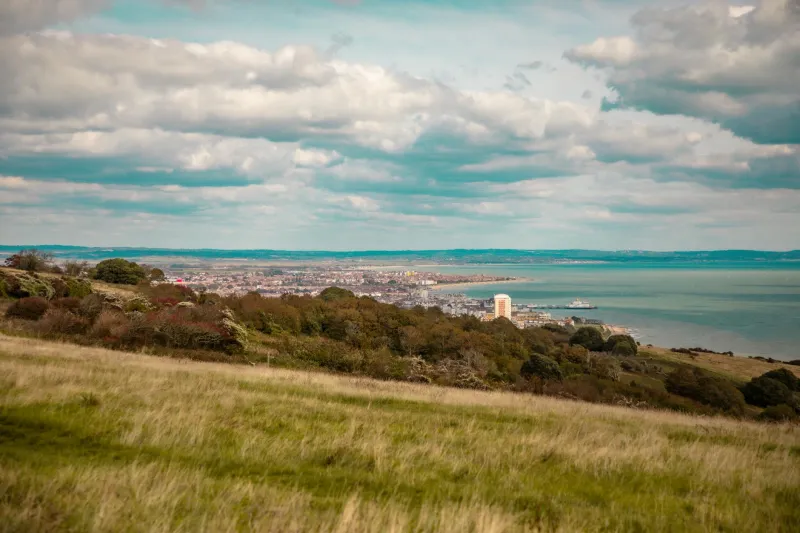
 Photo: St Ives, via www.dsastudymaps-junior.it
"I swapped a windowless Shoreditch studio for a Victorian terraced house overlooking Margate's harbour," says textile artist Luna Blackwood, 29, who made the move three years ago. "My rent halved, my creativity doubled, and suddenly I had space to think, to breathe, to actually make things rather than just survive."
Luna isn't alone. Across Britain's coastal communities, empty shops are transforming into artist studios, former guesthouses are becoming creative collectives, and the rhythm of the tides is replacing the relentless pace of city life.
Where Landscape Meets Looms
What's fascinating about this coastal creative migration isn't just the geography – it's how profoundly place is influencing the work itself. These aren't London designers who happen to live by the sea; they're creators whose aesthetic DNA is being rewritten by salt air, shifting light, and ancient folklore.
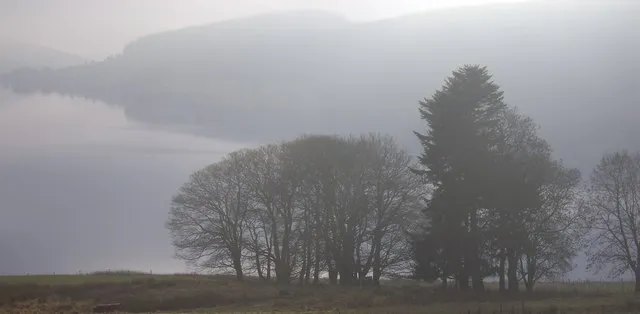
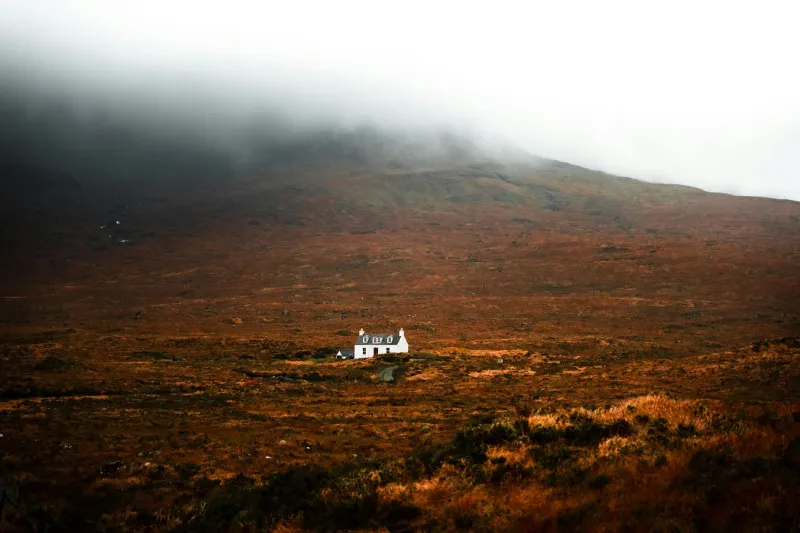
In Whitby, jewellery designer Morgana Grey draws inspiration from the town's Gothic heritage and jet-mining history. "There's something about the dramatic cliffs, the abbey ruins, the way fog rolls in from the North Sea," she explains. "My pieces have become darker, more mysterious. I'm working with blackened silver now, incorporating found objects from the beach. It's like the landscape is collaborating with me."
Meanwhile, in St Ives, painter-turned-fashion designer Felix Tremaine has developed a signature palette inspired by the town's legendary light. "The way colour behaves here is unlike anywhere else," he says, showing me a collection of silk scarves that seem to capture the exact shade of morning mist over the harbour. "Turner wasn't exaggerating – there really is magic in this light."
The Mythology Makers
Perhaps most intriguingly, many of these coastal creatives are tapping into local folklore and mythology in ways that feel both ancient and utterly contemporary. In Folkestone, illustrator Sage Winters has built a following creating fashion prints inspired by local legends.
"Every coastal town has its stories – smugglers' tunnels, ghost ships, selkies and sea witches," she explains, sketching a design featuring ethereal figures emerging from stylised waves. "I'm not just making pretty pictures; I'm weaving these narratives into contemporary fashion. A dress becomes a story, a scarf becomes a spell."
This folkloric influence extends beyond individual designers to entire creative communities. In Hastings, the monthly 'Mermaid Market' showcases work by local makers, while Margate's 'Shell Seekers Collective' hosts workshops teaching traditional coastal crafts with contemporary twists.
Studios by the Sea
The practical benefits of coastal living for creatives are undeniable. Larger spaces, lower overheads, and – crucially – the mental space that comes from being surrounded by natural beauty rather than urban chaos.
"I have a proper cutting table now, instead of working on my kitchen floor," laughs knitwear designer Iris Pemberton, who moved from East London to a converted fisherman's cottage in Aldeburgh. "But more than that, I have time to experiment. In London, I was always chasing deadlines, chasing rent. Here, I can follow ideas down rabbit holes, see where they lead."
The quality of light – something artists have long recognised – is proving particularly important for fashion designers. "Photography is such a huge part of fashion now," explains Luna. "The natural light here in Margate is incredible. I can shoot my pieces against dramatic skies, weathered pier structures, chalk cliffs. The backdrop becomes part of the design story."
Community Over Competition
Perhaps most remarkably, these coastal creative communities are characterised by collaboration rather than competition. Far from the sometimes cutthroat atmosphere of metropolitan fashion scenes, seaside makers are sharing resources, skills, and opportunities.
"We have an informal skill-share network," explains Felix from St Ives. "Maya does embroidery, I paint, Rowan works with leather, Clio makes ceramics. We'll often collaborate on pieces, or recommend each other to clients. There's enough inspiration here for everyone."
This collaborative spirit extends to the relationship with local communities too. Many designers are involving long-term residents in their work, learning traditional skills and incorporating local knowledge.
"Mrs Penrose, who lives down the road, taught me traditional Cornish lace-making techniques," says Felix. "Now I'm incorporating those patterns into contemporary pieces. It feels like I'm helping to keep traditions alive while making them relevant for today."
The Digital Advantage
Of course, this coastal renaissance wouldn't be possible without digital connectivity. Instagram, Etsy, and other online platforms mean that designers can live by the sea while selling to the world.
"I have customers in Tokyo who buy my Whitby-inspired pieces," says Morgana. "They love the story, the sense of place. In some ways, being outside London makes my work more distinctive, not less. Everyone knows what London fashion looks like – but Gothic romanticism from a North Yorkshire fishing town? That's something different."
The Future is Fluid
As this movement grows, it's beginning to influence British fashion more broadly. Major brands are starting to take notice, with some establishing satellite studios in coastal towns or collaborating with local makers.
"I think we're seeing the beginning of a real shift," predicts Dr Emily Hartwell, who researches creative industries at Brighton University. "For too long, fashion has been concentrated in a few major cities. But creativity doesn't respect postcodes. Some of the most innovative work happening in British fashion right now is happening in places people wouldn't expect."
For the designers themselves, the move represents more than just a change of scenery – it's a fundamental reimagining of what a creative life can look like.
"I wake up to seagulls instead of sirens, work to the rhythm of tides instead of traffic," reflects Luna, watching the sun set over Margate's Turner Contemporary gallery. "My work has become more thoughtful, more intentional. When you're surrounded by something as vast and timeless as the sea, it puts everything into perspective."
As Britain's coastal towns continue to attract creative minds seeking space, inspiration, and community, one thing is clear: the future of British fashion might just be written in salt and spray, stitched with stories as old as the tides themselves.