Beautiful Accidents: How Britain's Film Photography Underground Is Reshaping Fashion's Visual Soul
The Accidental Influencers
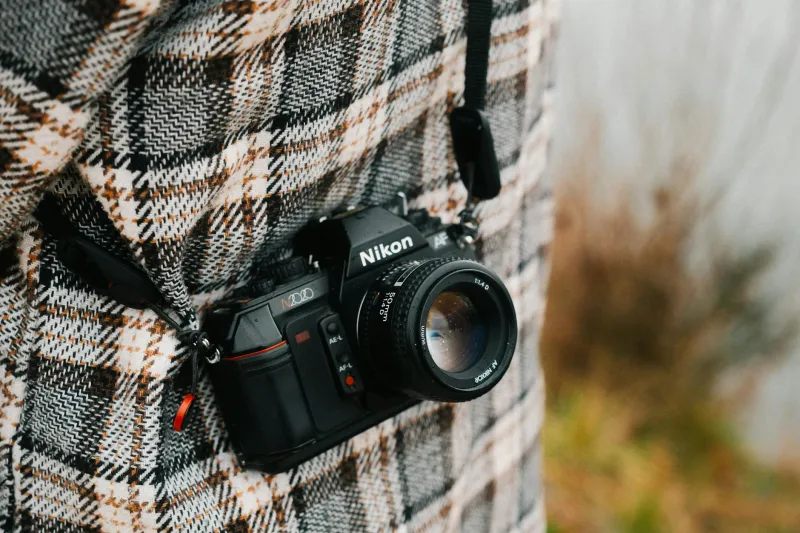
Meet Jess, twenty-four, standing in a Kentish apple orchard with her grandfather's 1970s Pentax, completely unaware that the photograph she's about to take of her friend Maya will end up inspiring a Stella McCartney campaign. The light is golden but uncertain, filtered through leaves that keep shifting in the October breeze. Maya's wearing a charity shop jumper and her grandmother's pearls, looking slightly away from the camera because she's never quite sure when the shutter will click.
This is the new epicentre of fashion influence, and it's happening entirely outside the traditional infrastructure of style media.
The Chemistry of Imperfection
Across Britain, a quiet revolution is developing in darkrooms and bathroom conversions. Young photographers armed with inherited cameras and bulk-bought film stock are documenting their friends, their travels, their everyday moments with an analogue honesty that digital photography simply cannot replicate.
"There's something about not knowing exactly what you've captured until weeks later," explains Tom, a Glasgow-based photographer whose accidental portraits of friends at house parties have been featured in i-D and Dazed. "You can't delete the imperfect shots, can't apply filters, can't endlessly adjust until everything looks the same. What you get is what actually happened."
The results are extraordinary: images hazed with light leaks and grain, colours that shift and bloom in unexpected ways, moments caught between intention and accident. Fashion brands, drowning in the perfect-but-sterile world of digital imagery, are increasingly hungry for this authentic imperfection.
From Hobby to Holy Grail
The movement started quietly in university towns and creative enclaves—Brighton, Bristol, Edinburgh, Manchester—where young people began inheriting or buying old film cameras as a reaction against the instant gratification of phone photography. What began as nostalgic hobby has evolved into something more significant: a completely different way of seeing and documenting style.
"I started shooting film because I was tired of taking hundreds of photos and liking none of them," says Alice, whose dreamy portraits of friends in Lake District landscapes have caught the attention of emerging British designers. "With film, you take twelve photos and maybe two are magical. But those two are more beautiful than anything I ever created digitally."
Her photographs capture something ineffable: the way fabric moves in natural light, how personal style looks when it's unconscious, the beauty of clothes as they're actually lived in rather than performed in.
The Geography of Grain
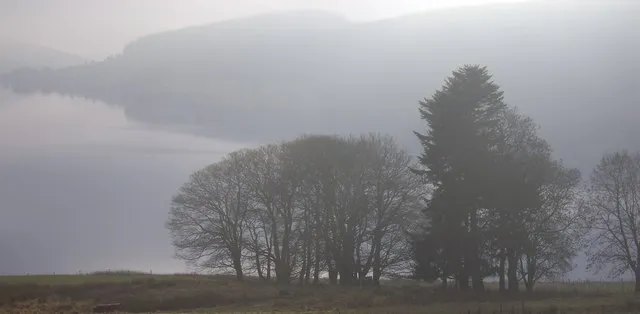
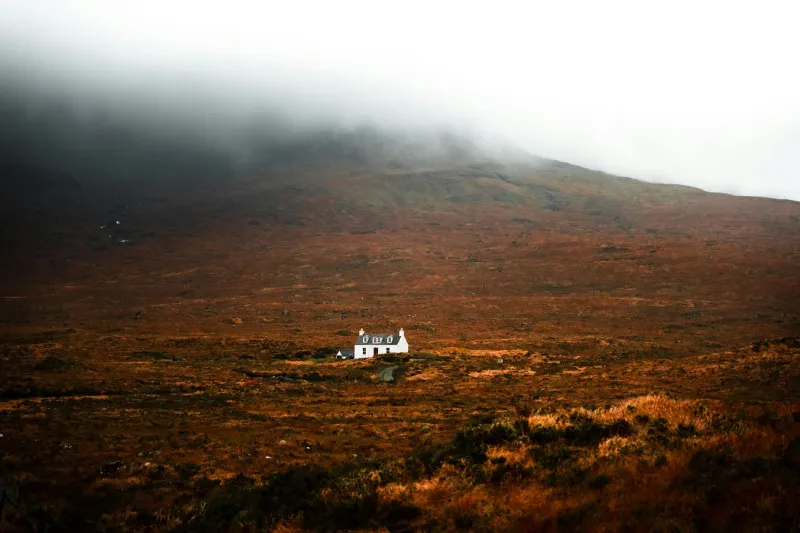
This photographic underground has its own geography. In Norfolk, weekend gatherings see friends pile into cars with bags full of film cameras, documenting each other against vast skies and endless fields. In the Scottish Highlands, hiking groups pause not for Instagram shots but for careful 35mm compositions that won't be seen until they return to civilization.
 Photo: Scottish Highlands, via images-wixmp-ed30a86b8c4ca887773594c2.wixmp.com
Urban scenes prove equally compelling. The cobblestones of Edinburgh's Old Town, the brutalist architecture of London's South Bank, the Victorian terraces of Liverpool—all become backdrops for a new kind of fashion photography that prioritises mood over message.
 Photo: Edinburgh's Old Town, via cdn1.iconfinder.com
"The city looks completely different through film," observes Marcus, whose Manchester street photography has been picked up by several independent fashion brands. "Digital cameras see everything too clearly. Film sees the way places actually feel—the grain adds emotion that perfect clarity somehow removes."
The Subjects Become the Story
What makes these images particularly powerful is their subjects: not professional models but real people wearing clothes they've chosen for themselves. Art students in vintage coats, baristas in thrifted blazers, gardeners in hand-knitted jumpers—all captured in moments of genuine unselfconsciousness.
"The people in these photographs aren't trying to sell anything," notes fashion researcher Dr. Sarah Gilligan. "They're just existing in their clothes, and that authenticity is incredibly powerful. Fashion has spent decades trying to manufacture that feeling of effortless cool, and these photographers are capturing it accidentally."
The clothes themselves tell different stories when seen through film's forgiving eye. Imperfections become character—a slightly rumpled shirt gains texture, a faded jumper glows with history, worn boots develop dignity.
The Designers Take Notice
British fashion houses are taking note. Independent designers increasingly commission film photographers for lookbooks, drawn to the emotional honesty that analogue processes provide. Even larger brands are incorporating film aesthetics into their digital campaigns, though the results often feel like expensive imitation rather than authentic accident.
"There's something about film that makes clothes look like clothes rather than products," explains emerging designer Priya Ahluwalia, whose recent campaign was shot entirely on vintage film stock. "When you remove the digital perfection, you're left with the actual relationship between person and garment, which is what fashion should really be about."
Some brands are going further, building entire seasonal narratives around the work of amateur film photographers, commissioning them to document their clothes in real environments rather than sterile studios.
The Patience of Process
Part of film photography's power lies in its relationship to time. Unlike digital images that can be shared instantly, film demands patience—the patience of careful composition, of waiting for development, of accepting what emerges rather than endlessly manipulating it.
"Film taught me to slow down," reflects Emma, whose portraits of friends in Cornish landscapes have gained quiet internet fame. "You can't take hundreds of shots hoping one works. You have to really look at what's in front of you, really consider whether this moment is worth capturing."
This mindfulness extends to the subjects themselves. Knowing they're being photographed on precious film stock, people seem to relax into more genuine versions of themselves. The resulting images capture not just how clothes look, but how they make people feel.
The Beautiful Resistance
What emerges from this movement is a form of quiet resistance against fashion's increasing digitisation and commercialisation. These photographers aren't trying to sell anything or build personal brands—they're simply documenting beauty as they encounter it, using tools that force them to slow down and really see.
"It's accidentally become political," suggests cultural critic James Davidson. "In a world of endless digital manipulation, these grainy, imperfect images feel like truth-telling. They're showing us what style actually looks like when it's not being performed for an algorithm."
The movement also represents a return to photography as craft rather than content. These photographers often develop their own film, print in makeshift darkrooms, share physical prints rather than digital files. The tactile nature of the process mirrors fashion's own relationship with material and texture.
Redefining Fashion's Future
As this underground network grows—connected through word of mouth, zine culture, and carefully curated Instagram accounts that feel more like personal journals than marketing tools—it's quietly reshaping how we understand style documentation.
Fashion magazines are beginning to commission film photographers not for their technical perfection but for their emotional authenticity. Brands are learning that the most powerful style imagery often comes from the margins rather than the mainstream.
Most significantly, these accidental documentarians are proving that the most influential fashion photography might be the kind that doesn't know it's fashion photography at all. In their hands, clothes become part of larger stories about friendship, place, memory, and the beautiful accidents that happen when we're not trying too hard to be perfect.
The future of fashion imagery might well belong to these beautiful amateurs, armed with inherited cameras and unlimited curiosity, accidentally creating the visual language that will define how we remember this moment in style history.