The Secret Language of Leaves
There's something deeply magical about watching a fern unfurl its ghostly silhouette onto cream linen, or seeing the delicate veins of a wild rose leaf emerge like ancient script across silk. In workshops tucked away in converted barns from the Cotswolds to the Highlands, a quiet revolution is taking place—one that speaks in pressed petals and whispered botanical secrets.
Meet the hedgerow foragers, Britain's newest textile rebels who've turned their backs on synthetic prints and digital patterns in favour of something far more precious: the actual imprint of nature itself. Armed with Victorian pressing techniques and a thoroughly modern understanding of natural dyes, they're creating fabrics that don't just look like nature—they are nature, captured and preserved in wearable form.
When Ancient Meets Artisan
"Every piece tells the story of a specific day, a particular hedgerow, a moment when the light was just right," explains Sarah Meadowcroft, whose studio in rural Shropshire has become a pilgrimage site for those seeking textiles with soul. Her latest collection features scarves printed with hart's-tongue ferns gathered during last autumn's golden hour, their fronds creating ethereal patterns that seem to dance across the fabric.
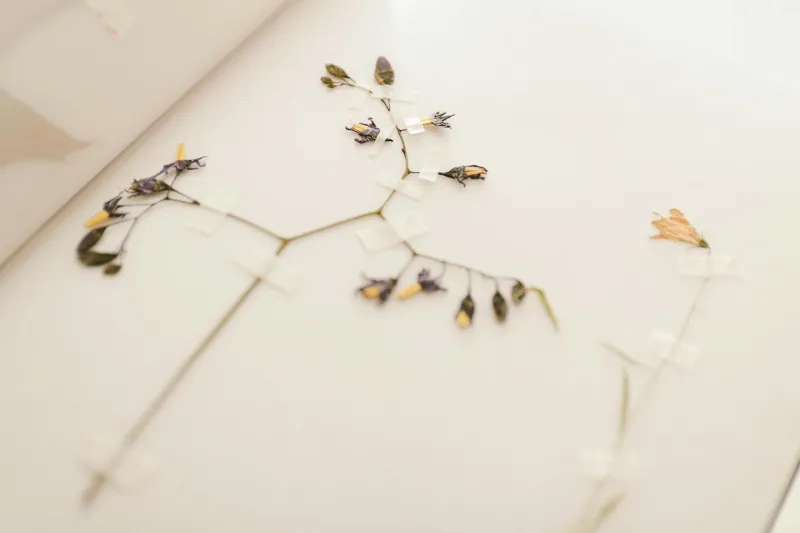
The process itself is a meditation on slowness in our frantically fast world. First comes the foraging—a dawn walk through ancient woodlands or along forgotten footpaths, gathering specimens at their peak. Then the careful pressing, a technique borrowed from Victorian botanical enthusiasts who understood that preserving nature's beauty required patience and reverence.
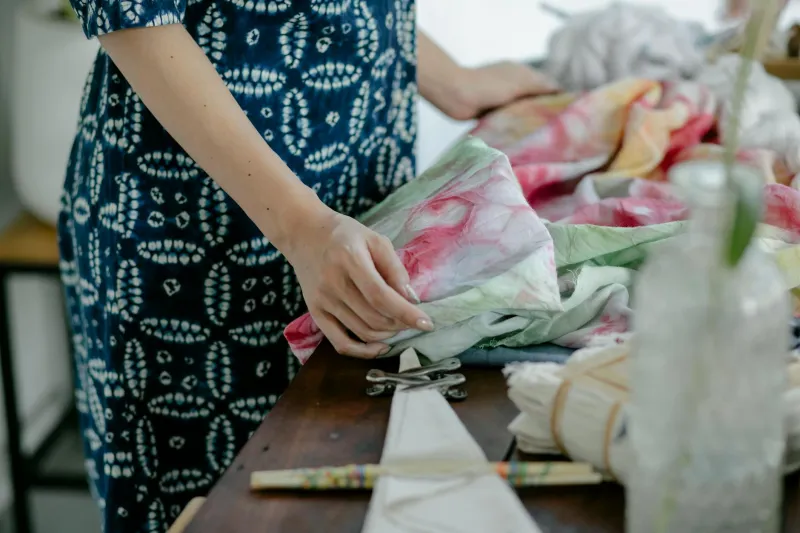
But here's where these modern makers diverge from their historical predecessors: instead of pressing flowers for dusty albums, they're transferring them directly onto fabric using a combination of steam, natural mordants, and plant-based dyes that would make any chemistry student weep with joy.
The Geography of Wonder
From the windswept clifftops of Cornwall to the misty lochs of Scotland, each region is leaving its botanical fingerprint on this growing movement. In Wales, Cerys Williams has built her reputation on capturing the essence of mountain flora—wild thyme and sheep's sorrel creating delicate lacework patterns on organic cotton that speaks of high places and thin air.
Meanwhile, in the Yorkshire Dales, textile artist James Thornfield has perfected the art of moss printing, creating jumpers that seem to carry the very essence of stone walls and ancient trees. "People touch these pieces differently," he observes. "They understand instinctively that they're holding something real, something that once grew wild and free."
The Scottish Borders have produced perhaps the most experimental practitioners, with artists like Morag Campbell pushing the boundaries by combining traditional pressed botanicals with contemporary eco-printing techniques. Her workshop in a converted mill produces fabrics that look like nature's own abstract art—swirls of iron-rich water meeting oak galls and wild roses in unpredictable, unrepeatable patterns.
More Than Fashion, A Philosophy
What's driving this return to botanical basics isn't just aesthetic—it's philosophical. In an age of mass production and digital everything, these textiles offer something increasingly rare: absolute authenticity. Each piece is unique not by design but by nature's own hand. No two leaves are identical, no two pressings create the same result.
"There's a hunger for connection," reflects textile historian Dr. Emma Wildwood from the University of Bath. "These pieces satisfy something deep in us—the need to feel connected to place, to season, to the natural cycles that fast fashion has divorced us from."
The makers themselves speak of their practice in almost spiritual terms. Many describe their morning foraging walks as essential to their mental wellbeing, a daily communion with the natural world that then translates into their work. The resulting textiles carry this energy—wearing a scarf printed with wild meadowsweet isn't just fashion, it's carrying a piece of summer's memory through winter's darkest days.
The Future of Forever Fabrics
As climate consciousness grows and consumers increasingly question the environmental cost of their wardrobes, botanical printing offers a tantalising glimpse of fashion's possible future. These aren't just beautiful objects—they're carbon-negative artworks that celebrate rather than exploit the natural world.
Young makers are already pushing the boundaries further, experimenting with urban foraging (who knew London plane tree leaves created such striking prints?) and developing techniques that use food waste and garden clippings. The movement is growing, spreading through social media and word of mouth, attracting everyone from fashion students to retired teachers looking for a more meaningful way to create.
The hedgerow foragers aren't just making clothes—they're weaving a new relationship between fashion and the natural world, one pressed petal at a time. In their hands, a simple nettle becomes a treasure, a forgotten fern transforms into an heirloom, and the humble hedgerow reveals itself as Britain's most underrated fashion resource.
In a world of digital prints and synthetic everything, they're offering us something infinitely more precious: the chance to wear the wild, to carry nature's own artistry close to our skin, and to remember that the most beautiful patterns were never designed—they simply grew.