The Forest Floor Awakening
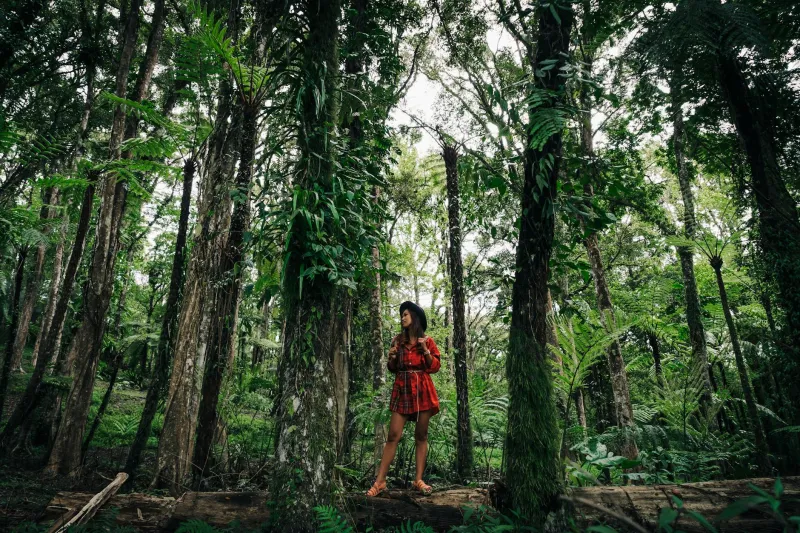
There's something utterly bewitching happening in British fashion right now. While the rest of the world chases fast trends and synthetic fabrics, a growing tribe of wonderfully curious designers are turning their backs on the high street and heading straight into our ancient woodlands for inspiration. They're returning with armfuls of magic: dresses that whisper of morning mist, jumpers the colour of autumn leaves, and accessories that seem plucked straight from a woodland fairy's jewellery box.
This isn't your grandmother's country style, nor is it the saccharine cottagecore that dominated social media feeds during lockdown. This is something altogether more sophisticated – a movement that honours Britain's deep-rooted connection to the natural world whilst creating pieces that feel utterly contemporary.
Nature's Own Colour Palette
The most fascinating aspect of this woodland-inspired fashion revolution lies in its approach to colour and texture. Independent dyers across the UK are experimenting with natural materials found right on our doorstep. Sarah Jenkins, a textile artist based in the Peak District, has been creating the most extraordinary hues using fungi foraged from local beech woods. "Each mushroom tells a different story," she explains. "The oyster mushrooms give us soft pinks and greys, whilst the bracket fungi create these incredible rust and amber tones."
These aren't just pretty colours – they're living pieces of British landscape, captured in cloth. When you wear a dress dyed with elderberries from a Cotswold hedgerow, you're carrying a piece of that place with you. It's fashion with genuine provenance, and there's something rather magical about that connection.
Embroidered Enchantments
The artistry doesn't stop at colour. Contemporary British designers are rediscovering the ancient craft of botanical embroidery, but with a distinctly modern twist. Rather than the precise, formal florals of traditional English embroidery, these pieces capture the wild, untamed beauty of our native flora.
Take the work of London-based designer Emma Thornfield, whose jackets feature sprawling bramble motifs that seem to grow organically across the fabric. "I spend hours walking through Hampstead Heath, sketching the way ivy climbs and moss spreads," she shares. "Then I translate that organic movement into thread. Each piece is like wearing a little bit of wilderness."
These aren't delicate, precious pieces that live in wardrobes untouched. They're robust, wearable art that improves with age – much like the landscapes that inspire them.
The Folklore Factor
What makes this movement uniquely British is its deep connection to our folklore and storytelling traditions. Designers aren't just copying pretty flowers; they're drawing on centuries of plant mythology and seasonal celebrations. Holly and ivy aren't just festive decorations – they're symbols of protection and eternal life. Oak leaves represent strength and endurance. Hawthorn speaks of hope and renewal.
This symbolic richness adds layers of meaning to contemporary pieces. A scarf printed with rowan berries isn't just beautiful – it's a talisman against negative energy, if you believe in such things. And even if you don't, there's something rather wonderful about wearing pieces that connect you to generations of British storytelling.
Styling Your Own Woodland Wardrobe
The beauty of this nature-inspired aesthetic lies in its versatility. You don't need to dress like you're heading to a medieval fair to embrace this trend. Start small with accessories – a brooch shaped like an acorn, earrings that echo the delicate structure of seed heads, or a scarf printed with native fern patterns.
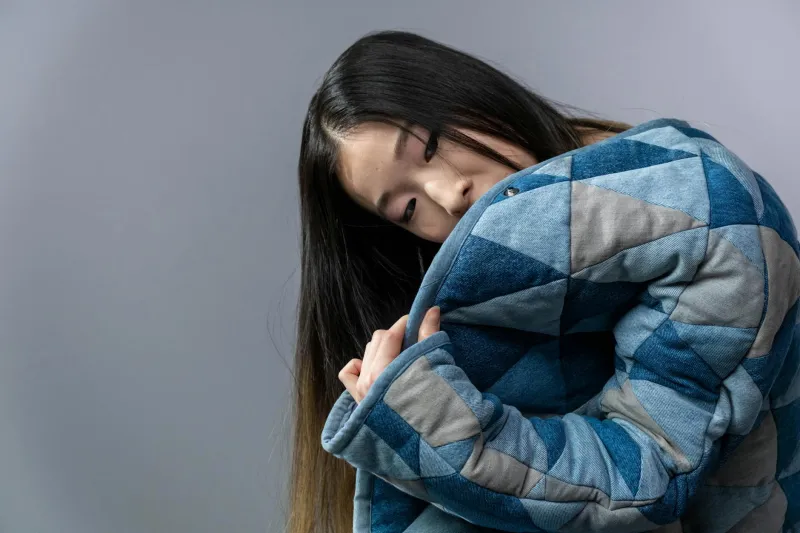
For those ready to dive deeper, look for pieces in natural fibres with organic shapes. A wool jumper in the soft grey-green of lichen pairs beautifully with dark denim for everyday wear. Come autumn, layer a mushroom-dyed cardigan over a simple black dress for an look that's both practical and enchanting.
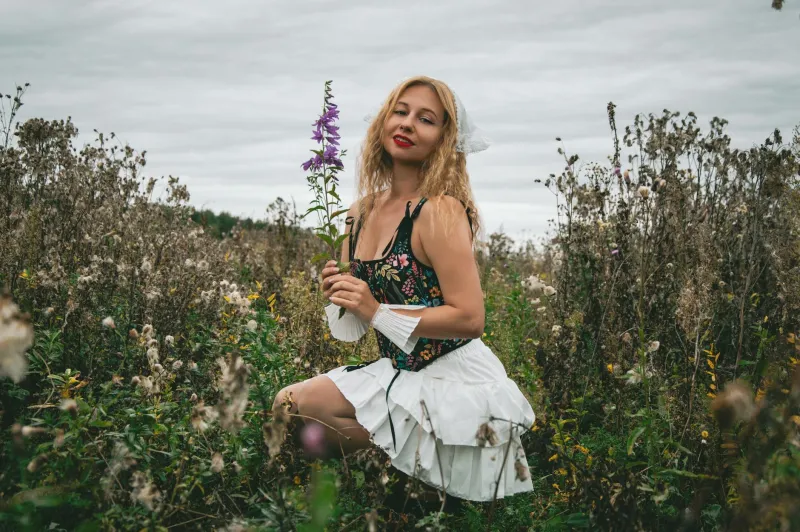
The key is to think seasonally. This isn't about wearing florals in February – it's about aligning your wardrobe with the natural rhythms of the British countryside. Spring calls for fresh green tones and delicate botanical prints. Summer invites meadow flowers and light, flowing fabrics. Autumn is the time for rich, earthy colours and textured weaves that echo fallen leaves.
Supporting the Movement
Perhaps the most wonderful aspect of this woodland fashion renaissance is how it's supporting small, independent makers across the UK. From Scottish textile artists working with native plant dyes to Yorkshire embroiderers creating contemporary botanical motifs, this movement is keeping traditional crafts alive whilst pushing them in exciting new directions.
When you choose to invest in these pieces, you're not just buying clothes – you're supporting a more sustainable, thoughtful approach to fashion. You're choosing quality over quantity, story over status, and connection over consumption.
As we head into another season of change, perhaps it's time to let a little woodland magic into our wardrobes. After all, in a world that often feels disconnected from nature, what could be more revolutionary than wearing the landscape itself?