The Button Whisperers
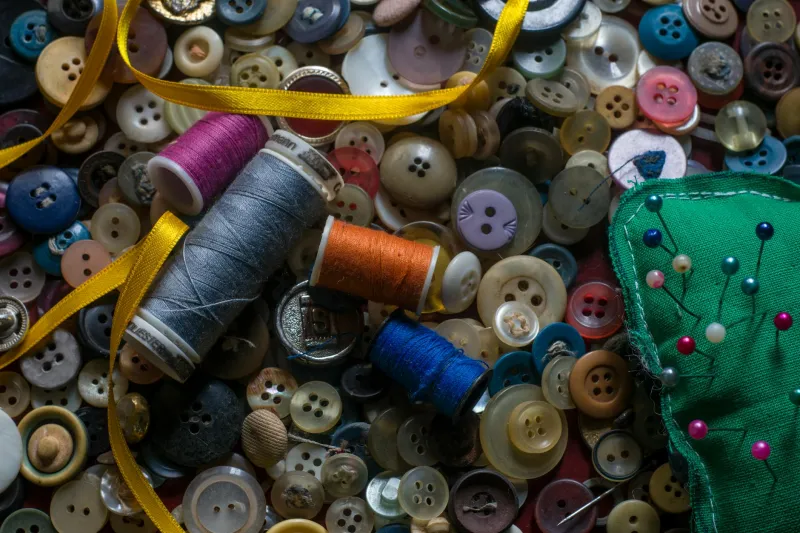
In a terraced house in Hebden Bridge, Margaret Thornton opens what she calls her "treasure chest" — a Victorian mahogany cabinet with dozens of tiny drawers, each one carefully labelled and brimming with buttons. Mother-of-pearl from the 1920s nestle beside Bakelite beauties from the thirties, while art deco glass numbers catch the light like captured rainbows. "Each one tells a story," she says, rolling a carved bone button between her fingers. "This came from a coat that survived the Blitz. This little pearl number? Off a wedding dress from 1955."
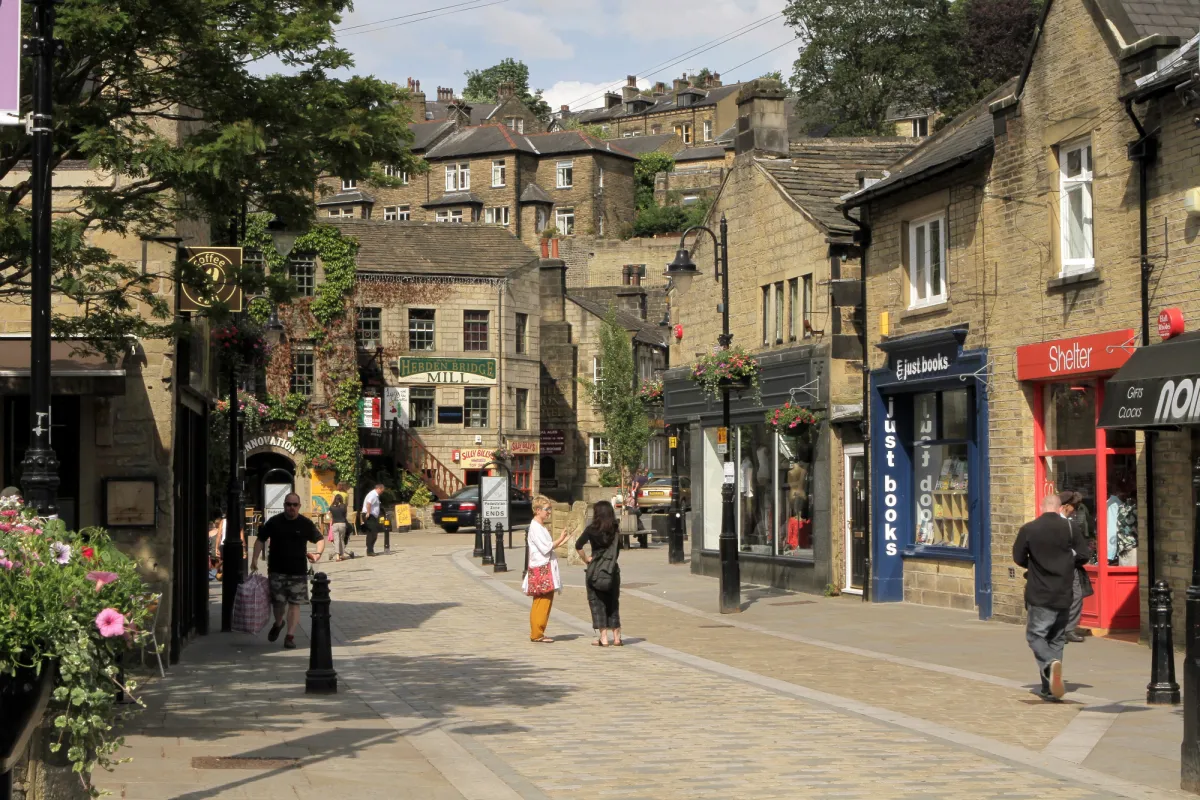 Photo: Hebden Bridge, via filmedinyorkshire.co.uk
Margaret is part of a quietly obsessive tribe — Britain's haberdashery hunters, who spend their weekends prowling car boot sales, haunting estate clearances, and inheriting button tins with the reverence of archaeologists handling ancient pottery. Their collections might seem like charming eccentricity, but these devoted gatherers are quietly influencing contemporary fashion and craft, one tiny treasure at a time.
The Thrill of the Hunt
For haberdashery obsessives, the chase is half the pleasure. "I can spot a good button tin from fifty paces," laughs David Chen, whose London flat houses over 10,000 vintage fasteners organised by decade, material, and colour. "There's something about the weight of an old Quality Street tin, the way it rattles. You just know there's something special inside."
The hunt takes many forms. Some collectors haunt the early morning car boot sales in church halls and school playgrounds, arriving with torches and magnifying glasses. Others cultivate relationships with house clearance companies, getting first dibs on the contents of deceased estates. The most dedicated travel to specialist fairs, where dealers spread their wares on velvet cloths like jewellers displaying precious gems.
"People don't understand the rush," admits textile artist Sarah Blackwood, whose collection of over 3,000 vintage buckles fills an entire room in her Brighton home. "But when you find a 1930s silver clasp in perfect condition for 50p at a jumble sale, it's better than winning the lottery. These things were made by craftspeople who cared about beauty in the smallest details."
The Emotional Weight of Small Things
What drives this devotion goes deeper than mere accumulation. For many collectors, haberdashery represents a tangible connection to the past, to lives lived and stories told through the language of fastening and adornment. "Every button has been touched by human hands," reflects antiquarian haberdasher James Whitworth, whose shop in York's Shambles is a pilgrimage site for serious collectors. "Someone chose it, sewed it on, fastened it every day. There's an intimacy there that you don't get with modern mass-produced items."
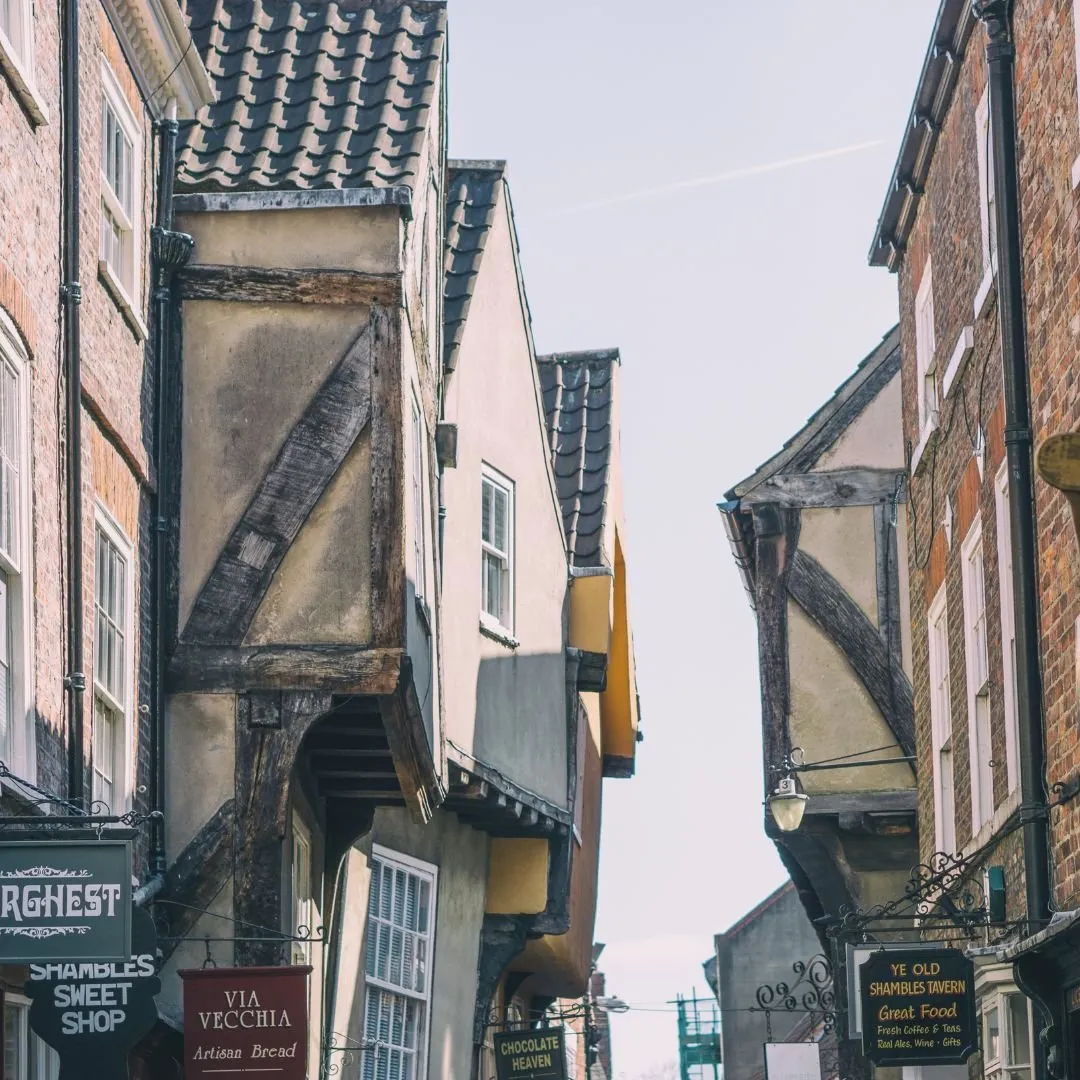 Photo: York's Shambles, via images.squarespace-cdn.com
The stories these objects carry can be profound. Margaret Thornton's collection includes buttons cut from military uniforms, saved by wives and mothers as mementoes of loved ones who didn't return from war. Sarah Blackwood owns a set of jet mourning buckles that once adorned a Victorian widow's dress, their sombre beauty speaking of grief transformed into art.
"I have a button that came from Vivienne Westwood's first shop on King's Road," reveals fashion student Emma Rodriguez, whose Instagram account @vintagetrimmings has become a gathering point for young collectors. "It's just a small plastic thing, but it represents this moment when punk was born, when fashion became rebellion. How do you put a price on that?"
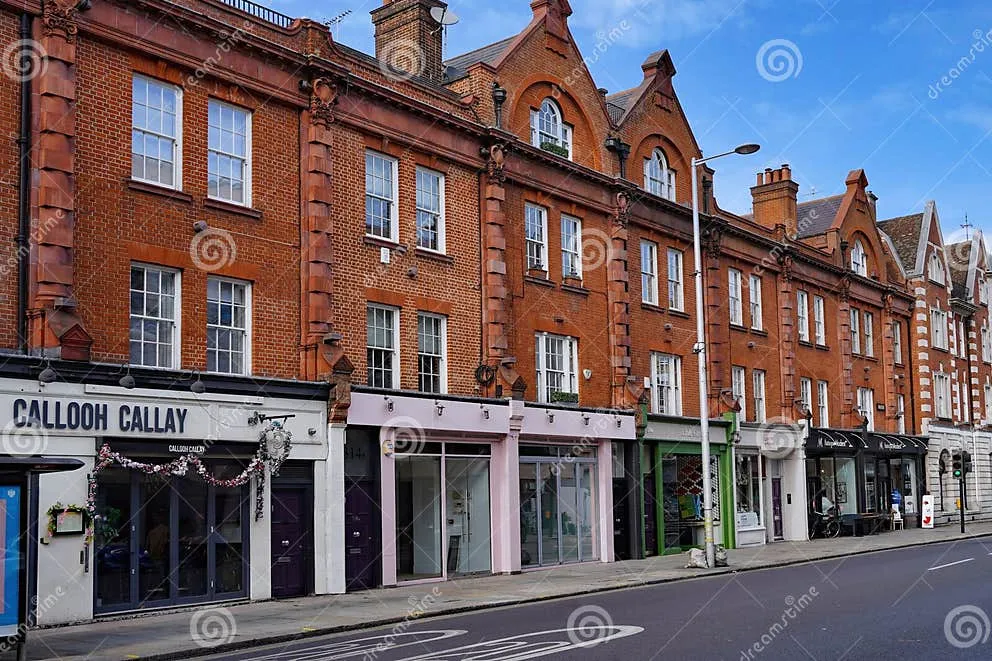 Photo: King's Road, via thumbs.dreamstime.com
Influence on Contemporary Craft
These collections aren't just museum pieces gathering dust. Britain's haberdashery obsessives are actively shaping contemporary fashion and craft, sharing their treasures with makers who understand their value. Emerging designers regularly pilgrimage to collectors' homes, seeking that perfect finishing touch for a special commission.
"I've built relationships with about twelve serious collectors across the UK," explains fashion designer Anya Kowalski, whose historically-inspired pieces often feature museum-quality vintage fastenings. "When I'm working on a piece, I'll send photos to Margaret or David, and they'll dig through their collections to find exactly what I need. It's like having access to the V&A's archives, but with people who actually understand how these things were meant to be used."
The influence flows both ways. Collectors often become informal consultants, sharing their knowledge of historical construction techniques and helping contemporary makers understand the craft traditions behind their treasures. "I spend as much time teaching as I do selling," notes James Whitworth. "Young designers come in with Pinterest boards, but they need to understand the context — why Victorian buttons were made that way, how Edwardian clasps were meant to function."
A New Generation of Hunters
Social media has transformed the haberdashery hunting scene, connecting collectors across generations and continents. Instagram accounts like @buttonhunters and @haberdasheryheaven showcase daily finds, while TikTok videos of button sorting and vintage haul reveals rack up millions of views.
"The younger collectors are brilliant," enthuses Margaret Thornton, who regularly mentors newcomers to the scene. "They're not just hoarding — they're using social media to educate people about the craftsmanship and history. They understand that these objects are cultural artifacts."
This digital dimension has also democratised collecting. Where once serious haberdashery hunting required deep local knowledge and decades of relationship-building, newcomers can now learn the ropes through online communities and virtual mentorship.
Practical Magic for Modern Makers
For those inspired to start their own haberdashery adventures, the collectors offer sage advice. "Start with what speaks to you," suggests David Chen. "Don't try to collect everything — focus on a particular era or material. And always buy the best quality you can afford. A single exquisite button is worth more than a tin full of mediocre ones."
The practical applications are endless. Vintage buttons can transform a charity shop blazer into something special. A 1950s buckle can elevate a simple belt to statement piece status. Even tiny fragments — broken clasps, single earrings, damaged brooches — can be repurposed into unique embellishments.
"I encourage people to actually use their finds," urges Sarah Blackwood. "These objects were made to be functional. The best way to honour their craftsmanship is to let them do what they were designed for — to fasten, to secure, to beautify."
The Future of Small Things
As fast fashion continues its relentless march toward disposability, Britain's haberdashery hunters represent something precious — a commitment to quality, craftsmanship, and the belief that even the smallest details matter. Their collections are time capsules, preserving not just objects but the values and aesthetics of bygone eras.
"We're the guardians of a disappearing world," reflects James Whitworth, carefully placing a mother-of-pearl button back in its designated drawer. "But we're also its ambassadors, showing a new generation that there's magic in small things, if you only take the time to look."
In an age of digital everything, these devoted collectors remind us that sometimes the most profound treasures are the ones you can hold in the palm of your hand.