The Quiet Revolution Happening in Britain's Sitting Rooms
Whilst the fashion world obsesses over the next seasonal drop, something rather extraordinary is happening in sitting rooms, spare bedrooms, and community centres across Britain. A new generation of quilters—armed with vintage florals, cast-off corduroys, and fragments of family history—are orchestrating a textile revolution that's as radical as it is remarkably quiet.
These aren't your grandmother's quilters, though they'd certainly tip their thimbles to the heritage. Today's patchwork prophets are wielding their needles like paintbrushes, creating narrative tapestries that blur the line between folk art and high fashion, between functional craft and wearable poetry.
From Charity Shop to Catwalk
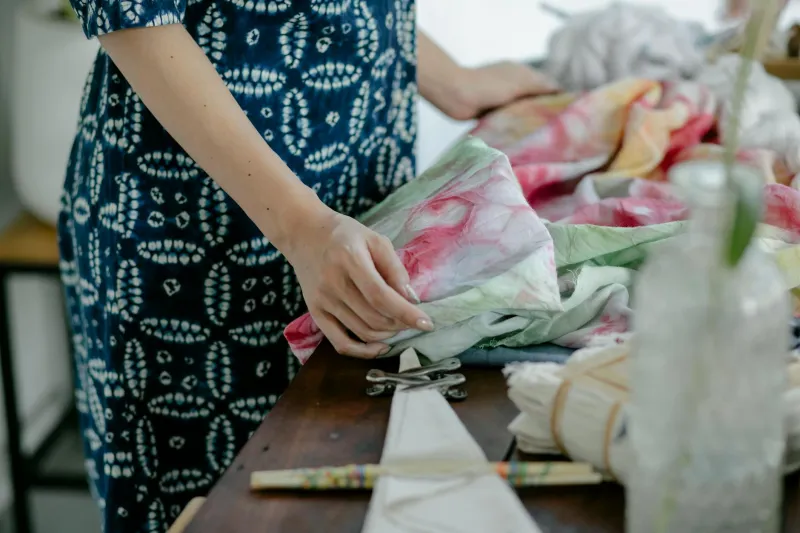
Take Meredith Collins, a 28-year-old textile artist from Brighton whose quilted jackets have become something of a legend among those in the know. "I started because I couldn't afford new clothes," she laughs, running her fingers along a spectacular coat pieced together from vintage Liberty prints, discarded curtain samples, and a fragment of her late grandfather's gardening shirt. "But somewhere between the charity shop rails and my sewing machine, I realised I was creating something that told my story—our stories—in ways that no high-street brand ever could."
Her approach is wonderfully anarchic: no patterns, no rules, just an intuitive understanding of how colours and textures can speak to each other across decades. The result? Garments that feel like wearable memoirs, each patch a chapter in Britain's textile history.
The Poetry of Imperfection
What makes this movement so utterly compelling is its embrace of beautiful imperfection. In a world of algorithmic precision and mass production, these quilters celebrate the wonky seam, the unexpected colour combination, the delicious tension between fabrics that were never meant to meet.
"There's something deeply subversive about taking scraps—literally the bits that other people throw away—and turning them into something precious," explains Dr. Sarah Whitfield, a textile historian at Central Saint Martins who's been tracking this resurgence. "These makers aren't just creating clothes; they're creating a new language of value that has nothing to do with price tags and everything to do with stories."
The Meditation of Making
Perhaps it's no coincidence that this revival is happening now, when our screens demand constant attention and fast fashion cycles leave us perpetually unsatisfied. The meditative rhythm of hand-quilting offers something increasingly rare: the luxury of slow time.
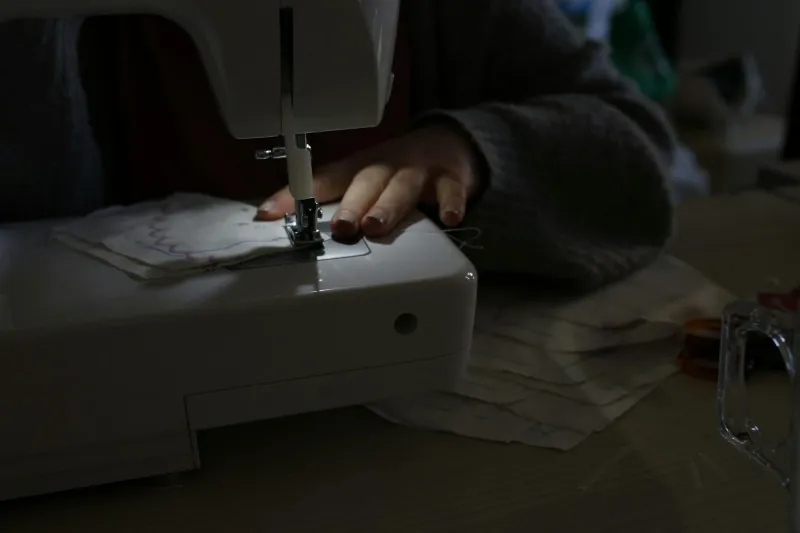
"When I'm quilting, the world gets very small and very quiet," says Birmingham-based maker Priya Patel, whose incredible quilted kimonos blend traditional Indian textiles with British tweeds and contemporary prints. "It's like a form of moving meditation. Each stitch is a tiny decision, a small act of hope that this piece will outlast the chaos of right now."
Her work exemplifies the multicultural tapestry of modern British quilting, where sari silks dance with Harris tweeds, where patterns from across the Commonwealth find new life in distinctly British contexts.
Stories in Stitches
What sets this generation apart is their commitment to narrative. These aren't decorative objects but visual stories, each quilt a chapter in the ongoing tale of contemporary Britain.
London-based collective "Patchwork & Politics" creates quilts that tackle everything from housing crises to climate change, using fabric sourced from the communities they're depicting. Their recent piece, "High Street Elegy," incorporated fabric from closing independent shops across East London, creating a tactile memorial to a disappearing way of life.
"Quilting has always been political," argues collective member Zara Ahmed. "Women have been encoding their experiences, their protests, their hopes into these textiles for centuries. We're just making the politics more explicit."
The New Folk Art
This isn't nostalgia masquerading as innovation. These makers are creating something genuinely new: a folk art for the twenty-first century that acknowledges our complex, interconnected world whilst celebrating the enduring power of making things by hand.
The aesthetic is distinctly contemporary—think bold geometric patterns meets vintage florals, traditional techniques executed in unexpected colour palettes, garments that feel both timeless and utterly of-the-moment.
Beyond the Quilt
Whilst quilts remain the foundation, these makers are pushing boundaries, creating everything from patchwork bomber jackets to quilted evening wear that wouldn't look out of place on a London Fashion Week runway. The techniques remain traditional, but the applications are wonderfully radical.
"I love that you can wear these pieces to a gallery opening or the local pub," says Collins. "They don't belong to any particular world—they create their own."
The Future Is Patchwork
As sustainability becomes increasingly urgent and our relationship with fast fashion grows more complex, these quilting revolutionaries offer something profoundly hopeful: proof that the most radical act might simply be taking time, taking scraps, and taking joy in the ancient magic of making something beautiful from nothing much at all.
In their patient hands, yesterday's cast-offs become tomorrow's heirlooms, and the humble art of patchwork reveals itself as nothing less than a form of textile alchemy—transforming not just fabric, but our understanding of what fashion can be when it's made with love, time, and just a little bit of beautiful rebellion.