The Ink-Stained Prophets
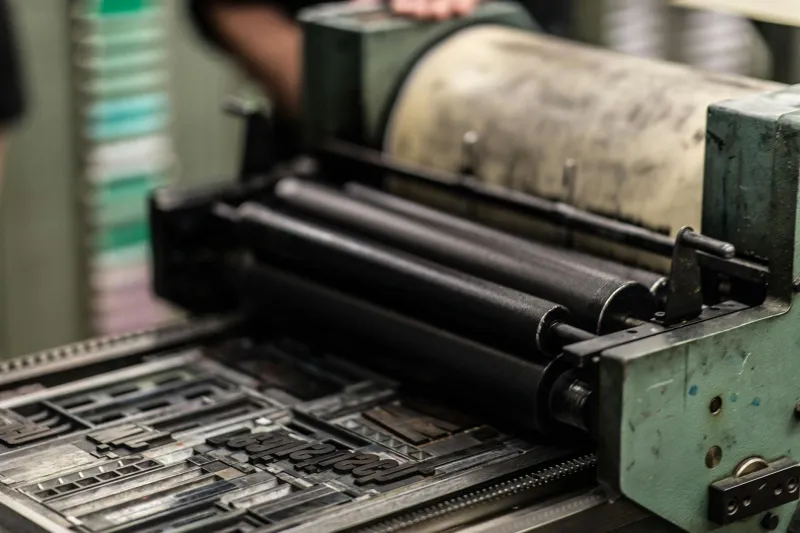
In a converted Victorian mill on the outskirts of Bath, Sarah Thornfield adjusts the pressure on her 1920s Heidelberg press with the precision of a medieval scribe. The machine groans to life, its metal arms dancing in slow, hypnotic rhythm as they kiss handset type to organic cotton. But this isn't just printing—it's resurrection.
"Each letter carries the ghost of everyone who's touched it before," Sarah explains, her fingers blackened with centuries-old ink formulas. "When you press Caslon type that's been setting stories since 1734, you're not just making clothing. You're weaving time itself into fabric."
Across Britain, a quiet revolution is unfolding in workshops tucked away from the digital noise. These modern-day scribes are reviving letterpress techniques not for paper, but for skin—transforming vintage type, illuminated manuscripts, and cryptic alphabets into wearable incantations that speak to our hunger for authentic, tactile beauty.
Where Ancient Meets Avant-Garde
The movement spans from Edinburgh's cobbled closes to Bristol's industrial quarters, united by a shared belief that typography is magic. At Blackletter & Co in Glasgow, former graphic designer Marcus Reid has spent five years collecting abandoned printing equipment, rescuing Victorian wood type from skip bins and nursing century-old presses back to health.
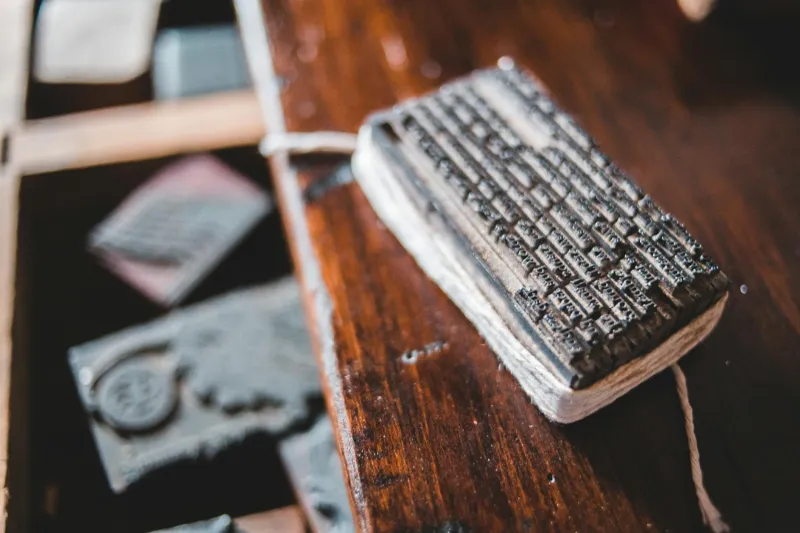
"Digital fonts are ghosts," Marcus reflects, running his palm across a drawer of hand-carved letters. "But physical type? That's got soul. When you stamp 'wild' in genuine Bodoni onto a hemp jacket, the word carries weight—literally and metaphysically."
His latest collection features fragments of medieval Latin pressed onto naturally dyed linens, each piece unique thanks to the imperfect kiss between metal and cloth. Customers don't just buy garments; they adopt textual talismans, carrying whispered prayers and forgotten poetry against their hearts.
The Ritual of Making
The process itself borders on ceremonial. At Illuminated Threads in Bristol, founder Emma Caldwell begins each day by grinding her own inks from walnut husks, indigo, and iron gall—the same recipe monks used to illuminate manuscripts a thousand years ago.
"There's something deeply spiritual about setting type by hand," Emma shares, carefully spacing letters for a William Blake verse destined for a silk scarf. "Your fingers learn the weight of each character, the personality of every font. By the time you make the impression, you've memorised the poem through touch."
The studio feels more monastery than workshop, with drawers of sorted typefaces creating geometric prayers along whitewashed walls. Clients often describe the experience of wearing these pieces as transformative—as if ancient words are whispering directly through their skin.
Beyond Fashion: Wearable Literature
What sets these creators apart from conventional screen-printing is their relationship with language itself. They're not just decorating fabric; they're curating literary experiences. Edinburgh's Manuscript Makers specialises in fragmenting rare texts—a line from a Burns poem here, a phrase from a Celtic prayer there—creating garments that function as wearable libraries.
"Fast fashion gives you logos," explains co-founder Isla MacBride. "We give you stories. When someone wears our Gaelic blessing tote or our Shakespearean sonnet shawl, they're carrying centuries of human expression. That's not consumption—that's communion."
The studio's bestseller remains a simple white tee stamped with a single word: 'hiraeth'—the Welsh concept of longing for a home that never was. It's sold across three continents, proving that in our globalised world, we're desperate for words that can't be translated, for meanings that require explanation.
The Collectors' Obsession
What began as artistic experiment has evolved into cultural preservation. These makers have become accidental custodians of Britain's typographic heritage, rescuing fonts from defunct newspapers, acquiring the personal collections of deceased printers, and cataloguing letterforms that might otherwise vanish.
"We're archaeologists of the alphabet," laughs Tom Hartwell from London's Pressed Poetry. His warehouse contains over 200 historic fonts, from Art Deco cinema signage to Victorian circus posters. "Each typeface tells the story of its era. When we print them onto clothing, we're keeping those stories alive."
The irony isn't lost on him that in an age of infinite digital fonts, handset type has never felt more precious. His customers—artists, writers, and what he calls "word-worshippers"—seek out pieces for their textual authenticity, their unrepeatable imperfections.
The Future Written in Ink
As sustainable fashion gains momentum, these typographic alchemists find themselves perfectly positioned. Their methods are inherently slow, local, and meaningful—everything fast fashion isn't. Using natural fibres, plant-based inks, and century-old equipment, they're proving that the most radical act in modern fashion might be looking backward.
"We're not nostalgic," clarifies Sarah, back in Bath, as she hangs freshly pressed scarves to dry. "We're prophetic. In a world drowning in meaningless text, we're creating clothes that force you to slow down, to read, to feel the weight of words."
As afternoon light filters through her studio windows, illuminating rows of drying garments inscribed with poetry, prayers, and forgotten alphabets, it's clear these makers aren't just preserving the past. They're writing the future, one pressed letter at a time, reminding us that in our rush toward digital everything, we've forgotten the sacred power of words made flesh—or in this case, fabric.