Nature's Printing Press: The Garden-to-Garment Revolution Blooming Across Britain
In a converted barn nestled in the Cotswolds, Sarah Whitmore carefully arranges eucalyptus leaves across a length of cream silk, each placement deliberate as a brushstroke. Steam rises from her copper pot as she prepares to transform these humble garden clippings into something extraordinary — a scarf that will carry the very essence of the British countryside in its fibres.
"It's alchemy, really," Sarah explains, her hands stained with the russet tones of autumn. "Every leaf tells a story, every flower holds a secret. When I press them into fabric, I'm not just creating patterns — I'm capturing moments in time."
The Ancient Art Finding Modern Expression
Botanical printing, also known as eco-printing, isn't new. Indigenous communities have been using plant materials to dye and pattern textiles for millennia. But in Britain, a renaissance is blooming. From Edinburgh's creative quarters to Brighton's bohemian studios, textile artists are rediscovering these time-honoured techniques, marrying them with contemporary design sensibilities.
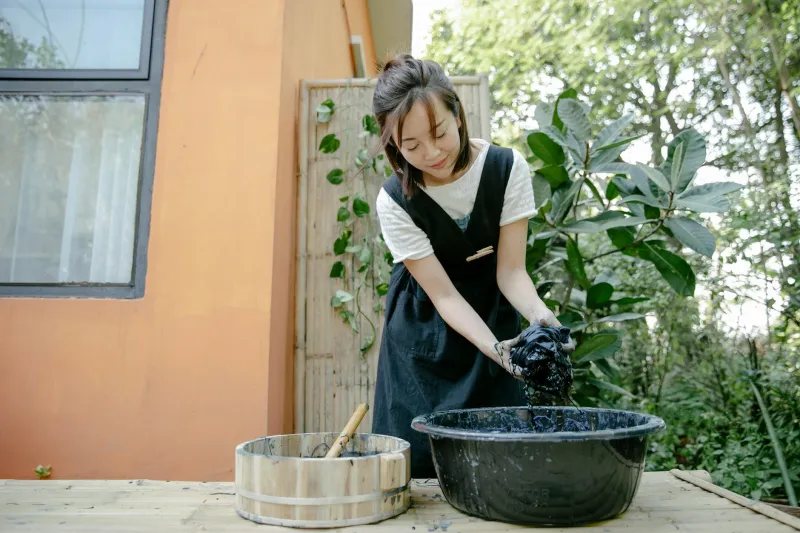
The process is beautifully simple yet endlessly complex. Fresh or dried plant materials are arranged on natural fibres — silk, wool, or cotton — then bundled tightly and steamed or boiled. The tannins and pigments within the botanicals transfer onto the fabric, creating ethereal impressions that no machine could replicate.
"Each piece is utterly unique," says Marcus Chen, whose London-based studio Verdant Threads has gained a cult following among fashion insiders. "You might use the same rose petals, the same silk, the same technique, but the results will always surprise you. The fabric becomes a canvas for nature's own artistic expression."
From Forest Floor to Fashion Week
The appeal extends far beyond the romantic notion of wearing flowers. In an era of fast fashion fatigue, botanical printing represents everything modern consumers crave: authenticity, sustainability, and story. Each garment becomes a wearable narrative of place and season.
Take Lucy Pemberton, whose Yorkshire-based atelier Moor & Meadow has attracted attention from Vogue and independent boutiques alike. Her process begins with dawn foraging walks across the Yorkshire Dales, collecting whatever speaks to her: cow parsley in spring, bracken in summer, fallen oak leaves in autumn.
"I'm not just a designer," Lucy reflects, adjusting a silk camisole printed with delicate fern fronds. "I'm a curator of the landscape. My wardrobe changes with the seasons because my materials do."
The Science Behind the Magic
While the results appear mystical, the science is fascinating. Different plants release different compounds when heated with fabric. Iron-rich leaves like eucalyptus create warm oranges and rusts, while flowers high in anthocyanins produce purples and pinks. Mordants — natural fixatives like alum or copper — help the colours bond permanently with the fibres.
"It's chemistry disguised as witchcraft," laughs Emma Hartwell, who teaches botanical printing workshops from her Somerset studio. "My students arrive expecting to learn a craft and leave understanding botany, chemistry, and textile history. It's education through beauty."
The Makers Leading the Movement
Across Britain, small studios are pushing botanical printing into new territories. In Glasgow, Rowan & Thistle creates structured blazers with subtle leaf prints that wouldn't look out of place in a boardroom. Meanwhile, Wild Woven in Cornwall specialises in flowing dresses that seem to capture sea breezes and cliff-top wildflowers.
The diversity is remarkable. Some artists focus on hyper-local materials — using only plants found within walking distance of their studios. Others travel to specific locations, creating limited collections that celebrate particular landscapes. A few are experimenting with urban foraging, discovering surprising beauty in city weeds and park prunings.
Wearing the Seasons
For consumers, owning botanical-printed pieces means participating in this seasonal rhythm. A scarf printed with spring bluebells carries different energy than one marked by autumn blackberry leaves. Wardrobes become personal herbaria, each piece a pressed flower between the pages of fashion history.
"My customers don't just buy clothes," notes Sarah from her Cotswolds studio. "They buy into a philosophy. They're choosing slow fashion, supporting small makers, and wearing pieces that connect them to the natural world. In our digital age, that tactile connection to earth and season feels revolutionary."
The Future Grows Wild
As awareness grows, so does innovation. Some artists are experimenting with foraged food waste — onion skins, avocado pits, and fruit peels all yield surprising colours. Others are collaborating with conservation groups, creating pieces that highlight endangered plant species or celebrate rewilded landscapes.
The movement represents more than fashion; it's a return to making with meaning. In every botanical print lies a meditation on impermanence, beauty, and our connection to the living world. As we wrap ourselves in these nature-kissed fabrics, we're reminded that the most extraordinary art often grows wild, waiting to be discovered by those curious enough to look.
In a world increasingly divorced from natural rhythms, botanical printing offers a gentle rebellion — one leaf, one flower, one perfectly imperfect print at a time.