The Atmospheric Advantage
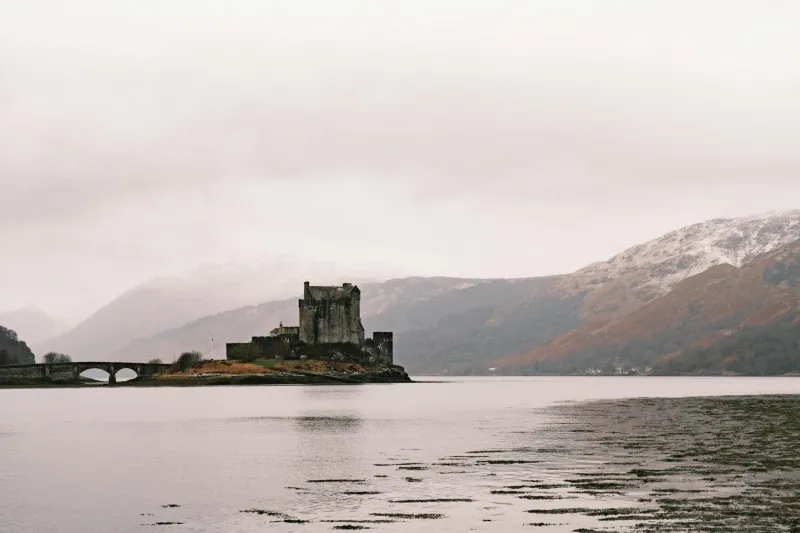
There's something happening in the forgotten corners of Britain, and it has nothing to do with London's glossy fashion districts. While the capital's runways showcase collections against stark white backdrops, a growing rebellion of independent designers is choosing very different stages for their work: the mist-shrouded ruins of Tintagel, the otherworldly landscapes of Orkney, and the haunting beauty of abandoned Welsh mining villages.
These aren't just pretty photo opportunities — they're creative catalysts that are fundamentally changing how British fashion tells its stories.
Designer Isla MacLeod discovered this when she accidentally got lost driving to a photoshoot in the Scottish Highlands. "We ended up on this tiny single-track road that led to a ruined crofter's cottage," she recalls. "The mist was rolling in from the sea, and suddenly my collection made complete sense in a way it never had in a sterile studio."
That accidental discovery led to Isla launching her entire autumn collection from that remote Highland location, with customers travelling from across Europe to attend what she calls "fashion's most atmospheric runway show."
The Magic of Marginal Places
Britain's liminal landscapes — those in-between spaces where reality feels slightly unstable — are proving to be fashion's most inspiring muses. These are the places where ancient history bleeds into the present, where weather becomes a creative collaborator, and where the mood of a location can transform how we see clothing entirely.
Cornwall-based designer Tom Pascoe has built his entire brand around this principle. His workshops and launches take place exclusively in the county's abandoned engine houses — those haunting brick towers that dot the landscape like monuments to industrial dreams. "There's something about showing delicate hand-knitted pieces against these massive, crumbling structures," he explains. "It creates a dialogue between fragility and permanence that you just can't get in a conventional venue."
Tom's customers don't just come to buy clothes — they come for the experience of discovering fashion in places that feel touched by folklore. His most recent collection launch, held inside a derelict tin mine near St. Agnes, sold out before the models had finished their first walk through the tunnels.
Weather as Creative Director
In these atmospheric locations, weather isn't an inconvenience to be managed — it's an active participant in the creative process. Northumberland-based collective "Borderlands" has made unpredictability their signature, launching collections outdoors regardless of conditions.
"We've shown collections in horizontal rain, swirling mist, and once during a snow squall that turned our models into walking snow sculptures," laughs collective member Sarah Winters. "The weather doesn't ruin the show — it becomes part of the story we're telling."
This approach has attracted fashion pilgrims from across Europe, who come not just for the clothes but for the raw authenticity of experiencing fashion in Britain's most elemental landscapes. Sarah's photographs from these shows — models in hand-woven cloaks emerging from Hadrian's Wall mist like ancient spirits — have become some of the most shared fashion imagery online.
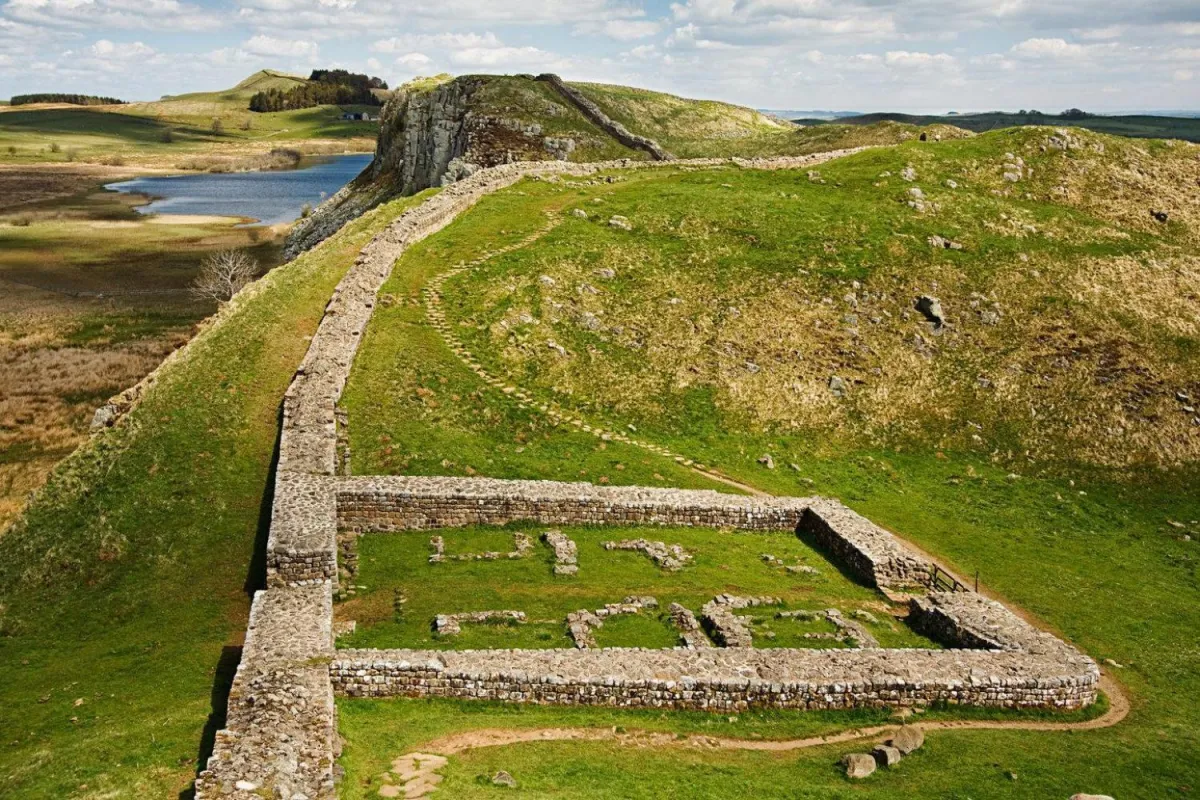 Photo: Hadrian's Wall, via cdn.tourcms.com
The Folklore Factor
These landscape-led designers aren't just using dramatic backdrops — they're tapping into the deep folklore and mythology that permeates Britain's marginal places. Each location brings its own stories, legends, and emotional resonance that infuses the clothing with meaning far beyond mere aesthetics.
Welsh designer Cerys Evans creates collections specifically inspired by the landscapes where she shows them. Her "Miners' Daughters" collection, launched in the abandoned slate quarries of Snowdonia, featured garments that incorporated actual slate fragments and colours drawn from the blue-grey mountains. "You can't separate the clothes from the place," she explains. "They're part of the same story."
Cerys's approach has influenced a generation of young designers who see landscape not as backdrop but as collaborator. Her students regularly trek to remote locations across Wales, creating site-specific pieces that could only make sense in their intended environments.
The Anti-London Movement
This shift away from urban fashion centres represents a broader rebellion against the homogenisation of British creativity. While London's fashion scene becomes increasingly corporate and internationally focused, these landscape-led designers are creating something uniquely, uncompromisingly British.
"London fashion feels like it could be happening anywhere," observes fashion writer and landscape enthusiast James MacBride. "But when you experience a collection in a Scottish sea cave or a Yorkshire dale, you're experiencing something that could only happen here, in this specific place, at this specific moment."
The movement is attracting international attention precisely because of its rootedness in place. Japanese fashion buyers now regularly make pilgrimages to remote Scottish islands, while Scandinavian stylists seek out collections launched in England's most atmospheric ruins.
The Practical Magic
Working in these challenging environments has pushed designers to think differently about every aspect of their practice. Collections need to work in wind and rain, photoshoots must account for unpredictable lighting, and logistics become adventures in themselves.
Orkneys-based designer Magnus Sinclair has made this practical challenge part of his brand identity. "If a garment can't handle being worn to launch itself on a windswept clifftop, then it's not worthy of the Orkney name," he declares. His collections are tested in some of Scotland's most extreme weather conditions before they're released.
This practical approach has resulted in clothing that's not just beautiful but genuinely functional — pieces that celebrate British weather rather than hiding from it.
The Future of Atmospheric Fashion
As this movement grows, it's starting to influence how we think about fashion more broadly. The success of these landscape-led designers suggests a hunger for authenticity and connection that traditional fashion weeks simply can't satisfy.
"People are tired of seeing the same sterile fashion imagery everywhere," observes Isla MacLeod from her Highland studio. "They want to see clothes in real environments, worn by real people, in places that tell stories."
The ripple effects are already being felt beyond the independent scene. Major brands are starting to shoot campaigns in more atmospheric British locations, and fashion weeks are experimenting with outdoor venues and weather-responsive programming.
But the real magic remains with the pioneers who first understood that Britain's most overlooked landscapes might just be its greatest creative assets. In their hands, every mist-shrouded moor becomes a catwalk, every crumbling castle a showroom, and every forgotten village a fashion capital waiting to be discovered.
After all, in a country where the weather changes every ten minutes and ancient stones poke through every field, why would you want to show fashion anywhere else?