The Poetry of Pressed Petals
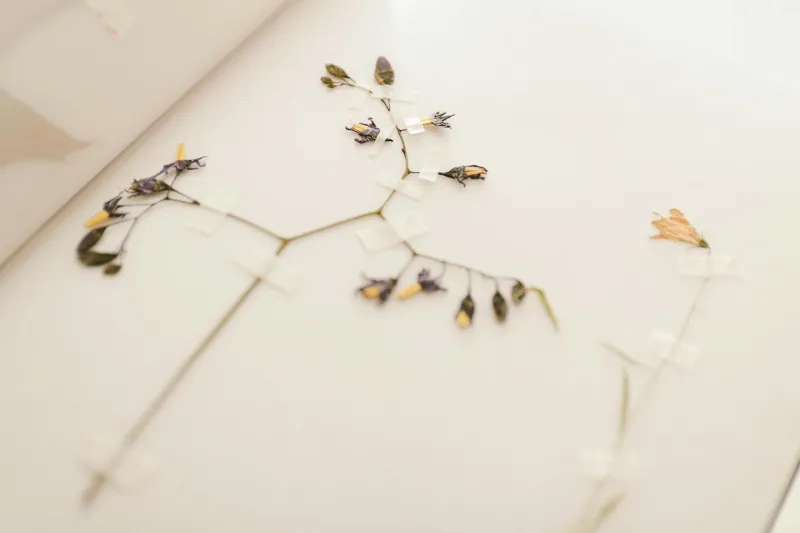
In a converted barn tucked away in the Devon countryside, Sarah Chen carefully lifts a sheet of blotting paper to reveal what looks like nature's own calligraphy. Delicate cow parsley fronds lie flat as parchment, their intricate lacework preserved in time. Beside them, wild roses maintain their blushing beauty, each petal a testament to summer mornings spent wandering overgrown hedgerows with nothing but a collecting basket and an eye for ephemeral beauty.
"There's something almost magical about stopping time," Sarah explains, her fingers dancing over specimens that were picked three months ago but look as though they were gathered yesterday morning. "Each pressed flower carries the memory of where it grew, what the weather was like, even what I was thinking about when I found it."
Sarah is part of a growing movement of British makers who are reviving the Victorian art of botanical preservation, but with a distinctly contemporary twist. Rather than creating dusty herbarium collections, these modern-day plant whisperers are transforming their pressed treasures into wearable art that captures something ineffable about Britain's changing seasons.
From Hedgerow to Atelier
The journey from wild meadow to finished piece is one that requires both patience and intuition. In the Scottish Borders, textile artist Morag MacLeod has turned her converted stable block into what she calls a "botanical laboratory." Here, specimens from the surrounding moorland undergo a months-long transformation that begins with careful selection and ends with pieces that seem to glow with inner light.
"I'm drawn to plants that others might overlook," Morag explains, holding up a necklace where pressed hart's-tongue ferns create an intricate green constellation against resin. "There's beauty in the humble bramble leaf, poetry in the way bracken unfurls. My job is to help people see that magic."
The process itself is meditative, almost ceremonial. Each specimen is carefully positioned between sheets of absorbent paper, then pressed beneath heavy books or specialised botanical presses for weeks. The waiting becomes part of the art—a slow dance with time that stands in stark contrast to our instant-gratification culture.
Seasonal Storytelling
What sets these contemporary botanical artists apart from their Victorian predecessors is their approach to storytelling. Rather than simply preserving specimens, they're creating narrative pieces that speak to specific moments and places. In Cornwall, jeweller Tom Hartwell creates what he calls "landscape portraits"—earrings and brooches that capture the essence of particular coastal walks.
"This piece contains sea thrift from the cliffs near Tintagel, pressed on a morning when the mist was so thick you could barely see your hand in front of your face," he explains, indicating a pendant where pink flowers seem to float in amber resin like memories suspended in time. "When someone wears it, they're carrying that moment with them."
The seasonal aspect of this work creates a natural rhythm that resonates with customers seeking authenticity in an increasingly digital world. Spring brings violets and primroses, summer offers meadowsweet and wild roses, autumn delivers the russets and golds of turning leaves, while winter's bare branches reveal structural beauties often overlooked.
The Collectors' Awakening
This botanical renaissance isn't happening in isolation. Across Britain, there's a growing appetite for objects that carry stories, pieces that connect us to the natural world in tangible ways. The pressed flower jewellery movement taps into something deeper than fashion—it speaks to our need for rootedness in an increasingly rootless world.
"My customers aren't just buying a necklace," explains Yorkshire-based maker Emma Thornton, whose delicate pressed pansy earrings have attracted attention from London to Edinburgh. "They're buying a piece of a specific place and time. Many tell me they feel more connected to the seasons when they wear them."
The appeal extends beyond the romantic. These pieces represent a form of slow fashion that stands in direct opposition to mass production. Each item is unique, unrepeatable—when that particular patch of wild garlic is gone, those specific specimens can never be recreated.
Cultivating Wonder
What emerges from conversations with these botanical artists is a shared philosophy about wonder and attention. In an age of endless digital stimulation, the simple act of really looking at a leaf—noticing its veining, its subtle colour variations, its particular way of catching light—becomes almost radical.
"I think people are hungry for that kind of careful attention," reflects Sarah from her Devon studio. "When you wear a piece of pressed flower jewellery, you're reminded to notice the natural world around you. It's like carrying a little meditation with you."
As Britain's wild spaces face increasing pressure, these artists are also inadvertently creating archives of biodiversity. Their collections become records of what grew where and when—botanical time capsules that future generations might treasure for reasons we can't yet imagine.
The Future in Petals
The movement shows no signs of slowing. Art schools report increased interest in botanical courses, while craft fairs across the country feature growing numbers of pressed flower artists. Social media has played its part, with #pressedflowers generating thousands of posts from makers and admirers alike.
Yet for all the digital sharing, the heart of this movement remains deeply tactile, rooted in the physical world of petals and leaves, seasons and soil. It's a reminder that some forms of beauty can't be rushed, some stories can only be told through the slow accumulation of patient attention.
In a world increasingly disconnected from natural rhythms, these memory keepers offer something precious: the chance to carry a piece of Britain's wild beauty with us, pressed between glass like a love letter from the landscape itself.