Diary Darlings: The Sketch-to-Stitch Revolution Turning Britain's Innermost Thoughts Into Tomorrow's Treasures
There's something deliciously rebellious about wearing your diary. In coffee shops across Camden, studios tucked away in Bristol's backstreets, and converted bedrooms in Glasgow, a quiet revolution is unfolding—one where the most intimate sketches, midnight musings, and half-formed thoughts are being plucked from journal pages and transformed into the kind of fashion that makes strangers stop and stare.
When Private Becomes Public Art
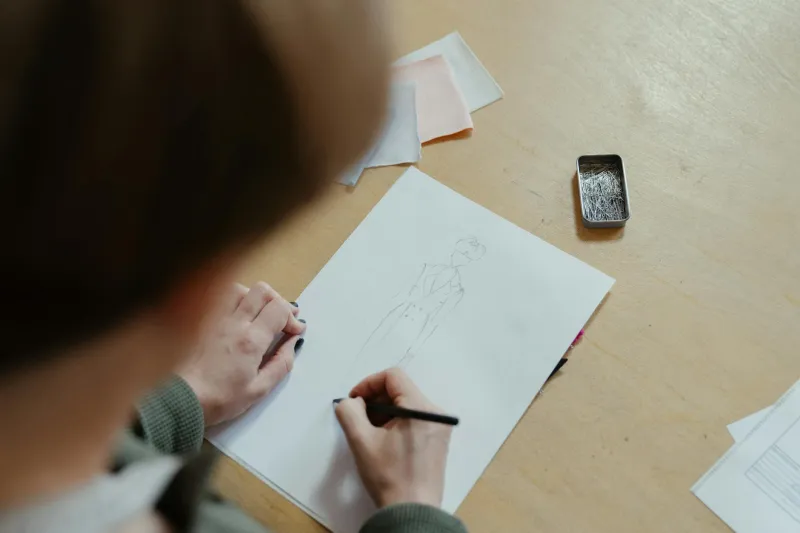
Meet Rosie Chen, who started drawing her anxieties in a battered Moleskine during lockdown. What began as therapeutic doodling—wonky flowers, melancholy moons, and creatures that looked like they'd wandered out of a fever dream—now adorns silk scarves that sell out faster than she can print them. "I never imagined anyone would want to wear my neuroses," she laughs from her Hackney studio, surrounded by screens and squeegees. "But there's something about seeing your inner world on someone else's shoulders that feels like the ultimate validation."
It's a sentiment echoed across Britain's creative underground, where illustrators are discovering that their most personal work often resonates most powerfully. Unlike the polished perfection of mainstream fashion, these diary-inspired pieces carry the beautiful imperfection of real human experience—the coffee stains, the shaky lines drawn at 2am, the honest vulnerability of thoughts never meant for public consumption.
The Intimacy Economy
In Edinburgh, textile artist Jamie MacLeod transforms his travel journals into limited-edition tote bags, each one featuring hand-drawn maps of places that exist only in his imagination. "People connect with the stories behind the marks," he explains, showing me a bag covered in sketches from a particularly difficult winter. "They're not just buying an accessory—they're buying into someone else's emotional landscape."
This hunger for authentic storytelling reflects a broader shift in how we think about fashion. In an era of mass production and algorithmic trends, there's something deeply appealing about owning a piece that began life as someone's private thought. It's fashion as emotional archaeology, where every stitch carries the weight of genuine experience.
From Margin to Mainstream
The movement isn't confined to small studios and weekend markets. Manchester-based illustrator Priya Patel recently collaborated with a major high street retailer to create a capsule collection inspired by her lockdown anxiety journals. The pieces—featuring her characteristic wobbly line drawings and stream-of-consciousness text—sold out within hours.
"There's a hunger for authenticity that fast fashion can't satisfy," Patel observes. "When someone buys one of my pieces, they're not just getting a jumper—they're getting a piece of my story, complete with all the mess and beauty that entails."
The Technical Magic
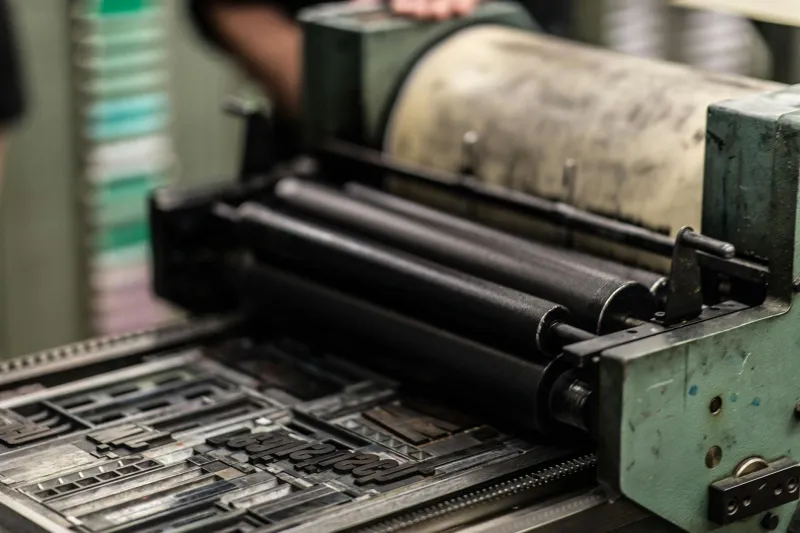
Translating journal pages into wearable art requires more than just good intentions. In Liverpool, print specialist Marcus Thompson has become something of a guru to the diary-to-fashion movement, helping illustrators navigate the technical challenges of turning delicate pencil sketches into durable prints.
"The magic happens in preserving the authenticity while making it wearable," Thompson explains, demonstrating how he uses specialist scanning techniques to capture every nuance of an original drawing. "You want the coffee ring stains, the torn edges, the evidence of a real human hand at work."
Beyond the Sketch Pad
The movement extends far beyond traditional illustration. In Brighton, ceramicist-turned-fashion designer Luna Rodriguez creates jewellery based on the abstract shapes she doodles during phone calls. Each piece is a tiny sculpture of a moment—the curve of boredom, the jagged edge of excitement, the gentle spiral of contentment.
"My journal isn't just drawings," Rodriguez explains. "It's textures, patterns, even the way I hold my pen when I'm tired. All of that becomes part of the design language."
The Collector's Paradox
What makes this movement particularly fascinating is how it transforms the traditionally solitary act of journaling into a shared experience. When you wear someone else's diary entry, you become part of their story—a walking exhibition of their inner world.
Collector Sarah Mitchell owns over thirty pieces from various diary-inspired designers. "Each one tells me something different," she says, running her fingers over a shirt covered in barely legible poetry. "It's like having access to dozens of different ways of seeing the world."
The Future of Feeling
As this movement continues to grow, it's reshaping our understanding of what fashion can be. These aren't just clothes—they're emotional artifacts, wearable confessions, tangible proof that our most private thoughts can become our most public statements.
In a world increasingly dominated by digital perfection, there's something revolutionary about celebrating the wonky, the vulnerable, the beautifully human. These diary-inspired designs remind us that the most powerful art often comes from the most personal places—and that sometimes, the best way to connect with others is to wear your heart, quite literally, on your sleeve.
The next time you see someone wearing what looks like a walking sketch pad, remember: you're not just looking at fashion. You're looking at someone brave enough to turn their inner world inside out, transforming private thoughts into public treasures. In Britain's creative landscape, the diary has become the ultimate design tool—and we're all invited to read along.