The Cabinet of Sartorial Curiosities
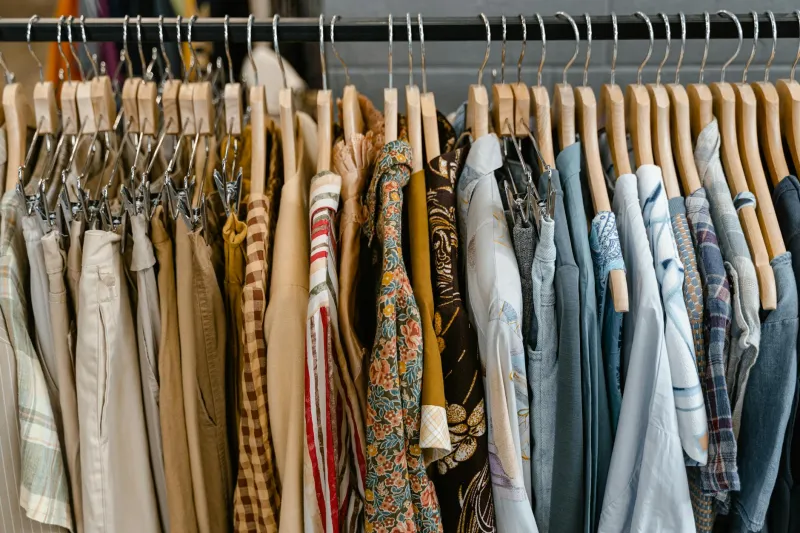
In the spare bedroom of her Georgian terraced house in Bath, antique dealer turned stylist Helena Fairweather keeps what she calls her "cabinet of cloth curiosities." Unlike the neat rows of colour-coordinated basics you might see in a lifestyle magazine, Helena's wardrobe is a riot of textures, eras, and stories that would make a Victorian collector weep with envy.
"This jacket belonged to a milliner from the 1940s," she says, pulling out a bottle-green wool blazer with mother-of-pearl buttons. "And this scarf was hand-painted by a textile artist in the Scottish Highlands who only works during the full moon." Each piece has a provenance as carefully documented as any museum artefact.
Helena is part of a growing movement of British dressers who approach their wardrobes like curators rather than consumers. They're rejecting the tyranny of trend cycles in favour of something far more interesting: building personal collections based on craftsmanship, story, and the kind of beautiful oddity that makes you stop and stare.
The Psychology of Peculiar Possessions
The Victorian cabinet of curiosities was more than just a display case — it was a way of understanding the world through objects. Each specimen, whether it was a pressed butterfly or a piece of coral, told a story about distant places and natural wonders. Today's wardrobe curators are applying the same principle to their clothing choices.
"I'm not interested in buying something just because it's on-trend," explains Marcus Webb, a graphic designer from Liverpool whose wardrobe reads like a map of British craftsmanship. "I want pieces that have a history, that connect me to something larger than myself."
Marcus's collection includes a fisherman's jumper from the Aran Islands, a pair of brogues made by a cobbler in Northampton whose family has been crafting shoes since 1847, and a waistcoat embroidered by a collective of textile artists in Wales. "Each piece is like a small act of preservation," he says. "I'm keeping these traditions alive by wearing them."
The Hunt for the Extraordinary
Building a curiosity-driven wardrobe requires a completely different approach to shopping. Instead of browsing high street rails or scrolling through online retailers, these collectors become detectives, hunting down pieces with genuine provenance and character.
London-based stylist Priya Sharma has turned this treasure hunting into an art form. "I spend my weekends visiting craft fairs, artist studios, and estate sales," she explains. "I'm looking for pieces that you can't find anywhere else — things that have been made with genuine passion and skill."
Priya's most treasured possession is a hand-knitted cardigan created by an elderly woman in the Shetland Islands who learned the stitch patterns from her grandmother. "It took her three months to make, and she only creates two or three pieces a year," Priya says reverently. "When I wear it, I'm not just wearing a cardigan — I'm wearing generations of knowledge and tradition."
The Imperfection Principle
What makes these curated wardrobes so compelling is their embrace of imperfection and idiosyncrasy. Unlike the polished perfection of mainstream fashion, these collections celebrate the wonky, the handmade, and the slightly odd.
Textile artist turned collector Fiona MacBride from Edinburgh has built her wardrobe entirely around pieces that show evidence of their human makers. "I love clothes where you can see the hand of the craftsperson," she explains, showing me a dress with slightly uneven hand-sewn buttonholes. "Those little imperfections are what make something special — they're proof that a real person cared enough to make this by hand."
Fiona's collection includes pieces with visible mending, naturally faded colours, and the kind of beautiful patina that only comes with age and careful use. "Fast fashion is terrified of imperfection," she observes. "But imperfection is what makes things interesting."
The Social Archaeology of Dress
For these wardrobe curators, clothing becomes a form of social archaeology. Each piece offers clues about the culture, techniques, and individuals who created it. They're not just building wardrobes — they're preserving stories that might otherwise be lost.
Antique clothing specialist James Morrison runs workshops teaching people how to "read" vintage garments like historical documents. "A 1950s dress can tell you about post-war fabric rationing, changing silhouettes, and the skill level of the seamstress who made it," he explains. "These clothes are primary sources — they're as valuable as any museum piece."
James encourages his students to research the provenance of their vintage finds, turning shopping into a form of historical investigation. "When you understand the context of a piece, it becomes so much more than just clothing," he says.
The Sustainable Rebellion
This approach to wardrobe building is inherently sustainable, though that's rarely the primary motivation for these collectors. By focusing on quality, craftsmanship, and longevity, they're automatically rejecting the wasteful cycles of fast fashion.
"I haven't bought anything new from a chain store in over five years," says Helena from Bath. "Everything in my wardrobe has a story, and most of it will outlive me." Her approach to care and maintenance is equally thoughtful — she works with local tailors and seamstresses to repair and alter pieces, ensuring they continue to fit and function beautifully.
This isn't about deprivation or virtue signalling — it's about the genuine pleasure of owning things that improve with age rather than deteriorating. "My favourite jacket gets better every time I wear it," explains Marcus from Liverpool. "The leather softens, the colour deepens, and it moulds to my body. You can't get that from something mass-produced."
The Future of Curious Collecting
As this movement grows, it's starting to influence how independent designers and makers approach their work. Many are now focusing on creating pieces with built-in stories — limited editions, collaborations with traditional craftspeople, or garments that reference specific places or traditions.
The message is clear: in a world of algorithmic recommendations and trend-driven consumption, there's profound satisfaction in building a wardrobe that reflects your curiosity about the world rather than your adherence to fashion rules. Like the Victorian collectors before them, these modern curators understand that the most interesting collections are those that celebrate the strange, the skilled, and the irreplaceably human.